 Save
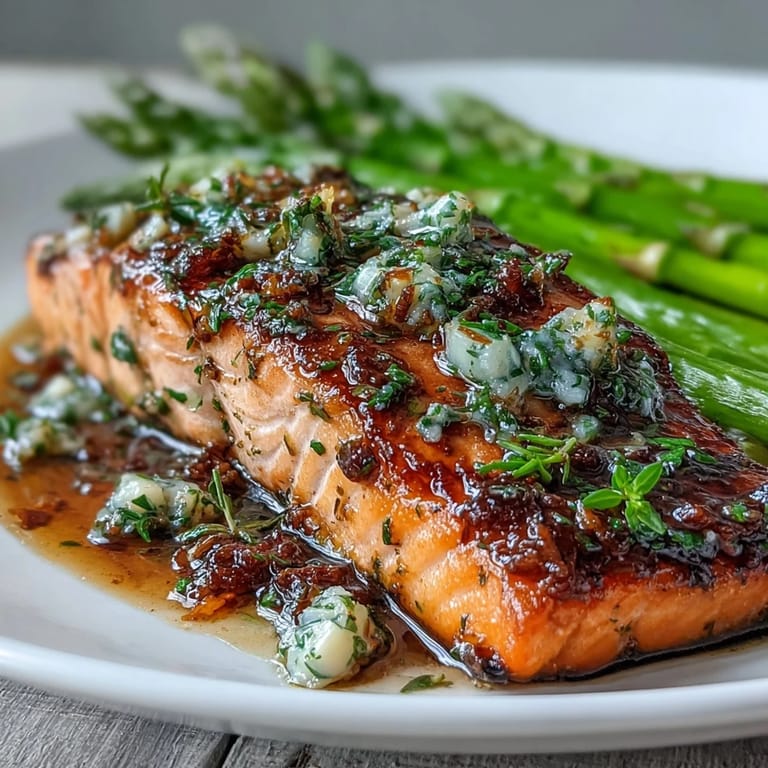
Save There are nights when the kitchen feels alive simply because of what's sizzling in the pan. The first time I made garlic butter salmon with asparagus, the aroma of browning butter mixed with garlic stopped my housemate mid-conversation, pulling him from his desk. You can almost hear springtime in the crackle of asparagus and the bubbling sauce, and I always end up pausing to inhale everything as the salmon finishes. It's the kind of meal that feels spontaneous but tastes like something planned for weeks. Quick enough for busy evenings, but never short on comfort.
One spring, my friend came over after a long hike, and I threw this together while she recounted every muddy mishap and wildflower sighting. The lemon slices ended up a bit uneven, but we agreed they looked more inviting that way. The meal vanished faster than the stories, both of us scraping up that buttery goodness with extra asparagus stalks. That night, laughter was as abundant as garlic in my kitchen. It was the first time salmon felt like a casual, celebratory dinner.
Ingredients
- Salmon fillets: Fresh fillets sear best—I usually pat them dry so you get a perfect crust and avoid sticking.
- Asparagus: Slim stalks cook quickly and stay bright; trimming the woody ends makes every bite tender.
- Lemon: Slices infuse a gentle citrus note—a trick learned after a bland batch of asparagus.
- Unsalted butter: Lets you control salt levels while delivering a silky finish in the sauce.
- Olive oil: Prevents butter from burning and adds flavor depth—I've used both together for years.
- Garlic: Minced garlic caramelizes in seconds; stirring constantly avoids bitterness.
- Thyme: A sprinkling of fresh or dried thyme gives herby aroma and balances the richness.
- Salt and black pepper: Season well, or salmon tastes flat and doesn't brown right.
- Fresh parsley: Tossed on right before serving, parsley keeps things lively with color and bite.
Tired of Takeout? 🥡
Get 10 meals you can make faster than delivery arrives. Seriously.
One email. No spam. Unsubscribe anytime.
Instructions
- Season the salmon:
- Pat each fillet dry, sprinkle generously with salt and pepper, and run your fingers over the surface—it feels oddly reassuring before the cooking starts.
- Prep the asparagus:
- Heat olive oil, lay the asparagus in a single layer, and listen for the first sizzle; turning them with a spatula lets you gauge their tenderness by color and touch.
- Sear the salmon:
- Add more oil and a knob of butter, nestle the fillets in gently, keeping skin side down if there's skin. The sound of crackling lets you know you're building a crisp layer, then flip and let the heat gently finish the flesh.
- Create the sauce:
- Garlic and thyme hit the pan, immediately releasing a cloud of scent. Stir in the remaining butter and spoon it over the salmon, watching the sauce glaze the fillets and shimmer.
- Finish and serve:
- Add lemon slices and return asparagus to the pan, tossing everything lightly to coat. Sprinkle parsley, slide the salmon onto plates, and serve while the butter is still warm and fragrant.
 Save
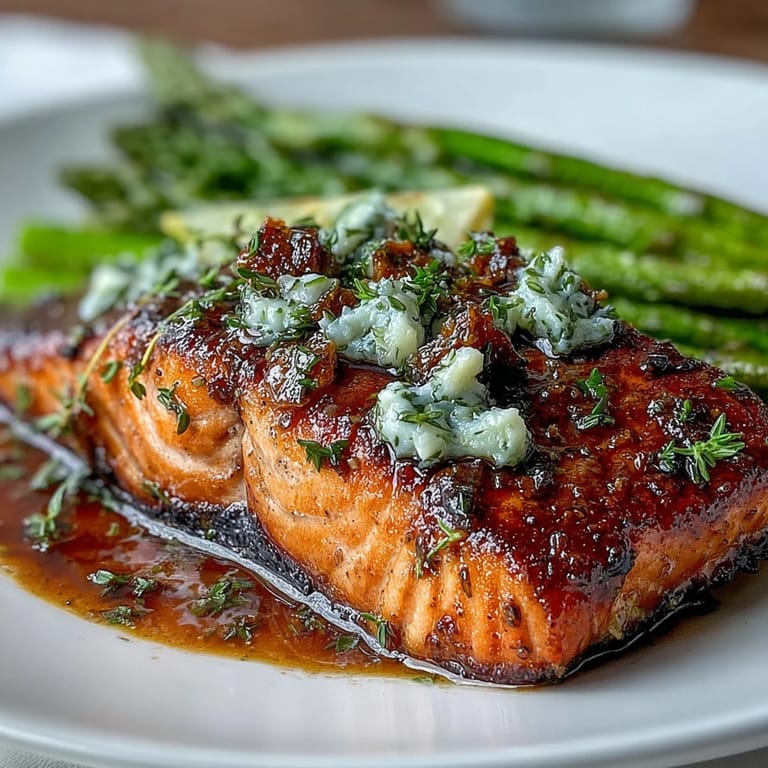
Save This dish quietly became a tradition on rainy Friday nights, bringing light to the dark with just a squeeze of lemon and the glimmer of butter. Sharing it with someone always made the meal feel more meaningful, even if the table was just a corner of the sofa and the plates balanced on knees.
How to Choose the Best Salmon
Buying salmon from a local fishmonger's counter always feels rewarding—the fillets look glossy and firm, and you can ask about their catch. Once, I grabbed frozen salmon and found that thawing in the fridge overnight kept it nearly as tender. Skin-on fillets give you a satisfying crisp and help keep the fish moist, but both work beautifully depending on what's available.
Perfecting Garlic Butter
Timing is everything for garlic butter—it's easy to go from fragrant to burnt. I usually add the minced garlic after searing the salmon, then spoon melted butter over the fillets for glossy richness. Sometimes, even a splash of white wine adds a layer of flavor that makes the kitchen smell like a celebration.
Sides and Swaps for a Complete Meal
There have been nights when asparagus was missing, and green beans or broccolini saved the day without much fuss. Roasted potatoes bring more comfort, while a crisp salad balances the richness. Swapping parsley for dill, or squeezing extra lemon, makes each version feel new.
- Always keep a lemon around for last minute brightness.
- If asparagus isn't in season, try tender green beans.
- Double up the butter sauce for those who can't get enough.
 Save
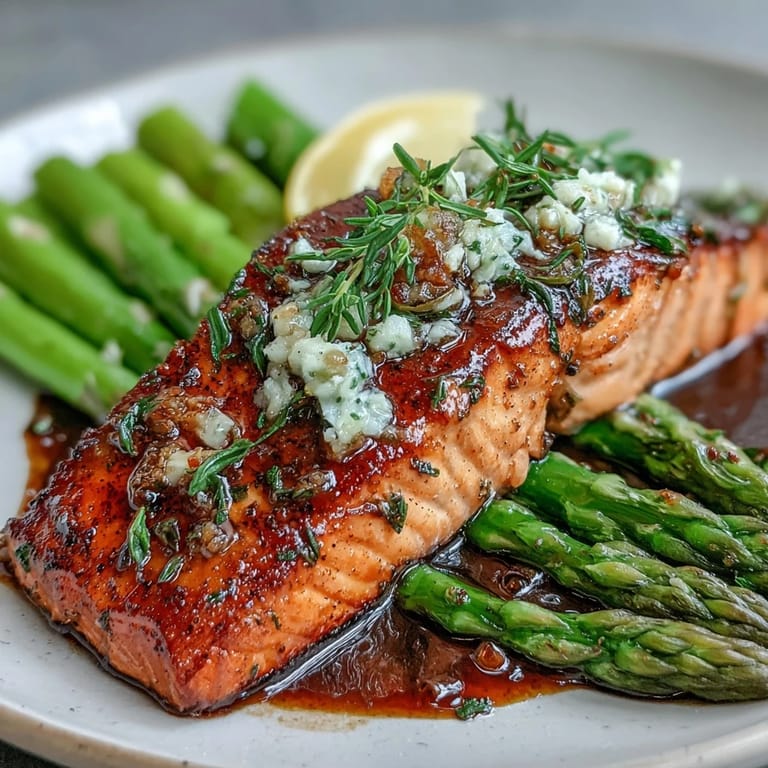
Save Whether cooking for yourself or someone beside you, garlic butter salmon is the kind of dish that always feels just a bit special. The first bite has a way of lingering, and the kitchen never smells better.
Recipe FAQs
- → How can I tell when salmon is cooked through?
Salmon is done when it flakes easily with a fork and turns opaque in the thickest part. Avoid overcooking for best texture.
- → Can I use different vegetables besides asparagus?
Yes, you can substitute green beans or broccolini. Adjust sautéing time as needed for different vegetables.
- → What herbs can I use instead of thyme?
Fresh dill, tarragon, or basil work well in place of thyme to complement salmon's delicate flavor.
- → Is it possible to make this dish dairy-free?
Absolutely! Substitute olive oil for butter to keep it dairy-free while maintaining rich flavor and texture.
- → How should leftovers be stored?
Store cooked salmon and asparagus in an airtight container in the refrigerator for up to two days. Reheat gently.
- → What pairs well with this dish?
Roasted potatoes or a light salad complement the flavors. Wine options include Sauvignon Blanc or Chardonnay.