 Save
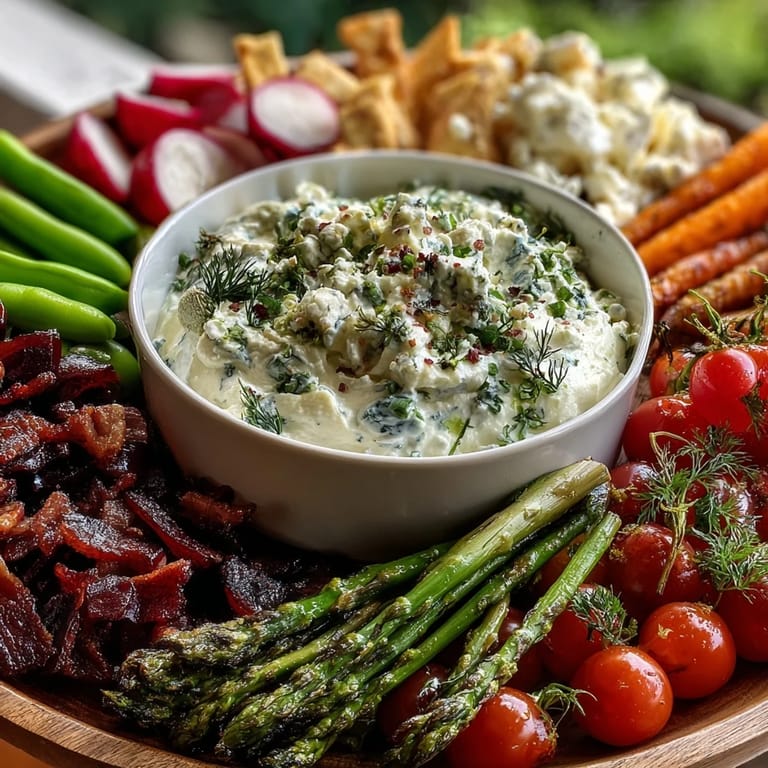
Save Last spring, my neighbor showed up at my door with a basket of radishes still wearing their dirt, asking if I knew what to do with them. I'd been staring at my empty fridge, wondering what to throw together for a casual dinner party that evening. Something about those crisp, peppery vegetables sparked an idea, and within an hour, I'd assembled this board—a celebration of everything green and fresh that the season had to offer. My guests couldn't stop grazing, and I realized right then that sometimes the best entertaining moments come from working with what's available and letting simplicity do the talking.
I made this for my mom's book club last year, and what struck me most wasn't the compliments about how gorgeous it looked, but how people lingered around the board between discussions, naturally slowing down their conversation to nibble on peas and dip their radishes. One woman told me it was the first time she'd actually tasted how sweet a fresh pea could be, since she'd only ever known the frozen kind. That's when I understood this board wasn't really about the arrangement—it was about creating a moment where people could taste spring and remember why that matters.
Ingredients
- Breakfast radishes: Their peppery bite gets milder as they sit, so slice them just before serving if you like that sharp snap.
- Sugar snap peas: Eat them raw—cooking softens their charm, and that tender crunch is the whole point.
- Fresh or frozen peas: If using fresh, blanch them quickly in salted boiling water, then plunge into ice water to lock in their sweetness and bright color.
- Baby carrots: They're naturally sweet and need no knife work, which makes them perfect for lazy entertaining.
- Cherry tomatoes: Choose ones still warm from the market if you can; their flavor difference is noticeable.
- Cucumber slices: The cooling element that balances the peppery radishes and bright herbs in the dip.
- Greek yogurt: Full-fat versions create a creamier base than low-fat, and the tang actually enhances the herbs.
- Mayonnaise: Just a couple tablespoons bridges the gap between tangy yogurt and rich dip without making it heavy.
- Fresh lemon juice: Always fresh—bottled tastes metallic and mutes the delicate herb flavors.
- Fresh herbs: Chives, parsley, and dill should smell fragrant; if they smell like nothing, they won't taste like much either.
- Garlic: One small clove minced fine prevents any harsh bite that could overpower the gentle vegetables.
Tired of Takeout? 🥡
Get 10 meals you can make faster than delivery arrives. Seriously.
One email. No spam. Unsubscribe anytime.
Instructions
- Wash and prep your vegetables:
- This takes longer than you'd think if you're being careful, but it's where the board gets its personality. Halve those radishes lengthwise so they sit flat and look intentional.
- Arrange with intention:
- Think of it like painting—cluster colors together so the eye travels across the board, and leave small gaps so everything breathes visually.
- Make the dip:
- Combine yogurt, mayo, and lemon juice first, then fold in your herbs so they stay vibrant green rather than bruised from aggressive stirring.
- Taste and adjust:
- The dip should taste bright and herby, with lemon and garlic as whispers, not shouts. Add salt gradually—you can always add more.
- Transfer to a small bowl:
- Nestle it into the center or to one side of your board, depending on your arrangement.
- Garnish if you're feeling it:
- Microgreens add height and sophistication; feta adds richness and tang. Both are optional, but they're the jewelry that makes the outfit.
- Serve right away:
- The vegetables taste best at their crispest, and the dip stays silkiest when it hasn't been sitting long.
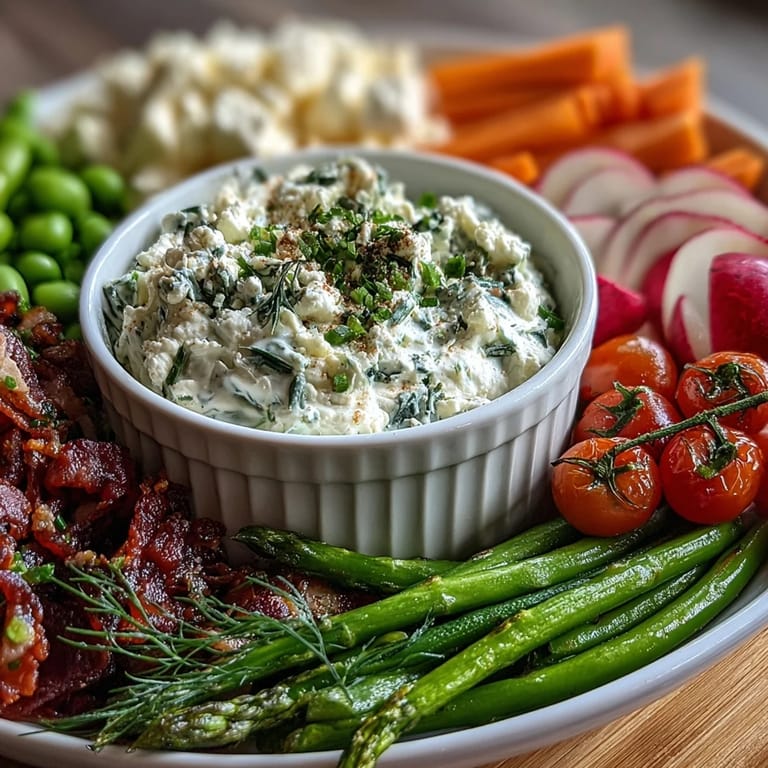 Save
Save There's something about spring vegetables that makes people feel virtuous while they're eating them, even though they're really just enjoying themselves. I watched someone's face light up when they realized they could customize their own bite—radish with dip, then a snap pea, then a carrot—creating their own rhythm of flavors. That's the quiet magic of this board: it lets everyone be in control of their own experience.
Why Fresh Herbs Matter Here
Dried herbs would turn this dip into something forgettable, honestly. Fresh herbs have oils and brightness that dried versions simply can't replicate, and in a recipe this minimal, they're carrying all the weight. When you chop them right before mixing, they stay vivid and their flavor hasn't started fading. This is one of those recipes where skipping a shortcut actually saves you.
Board Building as a Skill
I used to think arrangement was pretentious until I realized it's just about making people feel welcome and visually inviting them to eat. Alternating colors, repeating ingredients in clusters rather than scattering them, leaving some white space so the board isn't chaotic—these aren't fancy techniques, they're just thoughtfulness. Once you see boards this way, you start applying the same logic to how you set a table or organize a kitchen.
Make It Your Own
This is the kind of recipe that improves with your own instincts. If you have asparagus tips, blanch them briefly and add them. If you grow mint, throw some in the dip. If you love heat, add a tiny pinch of cayenne or some thinly sliced red chiles. The structure stays the same, but the personality becomes entirely yours.
- Blanched green beans add earthiness and pair beautifully with the herb dip.
- Sliced bell peppers (especially yellow or orange) brighten the board and add sweetness.
- A dollop of good quality sea salt on the side lets people add their own finishing touch.
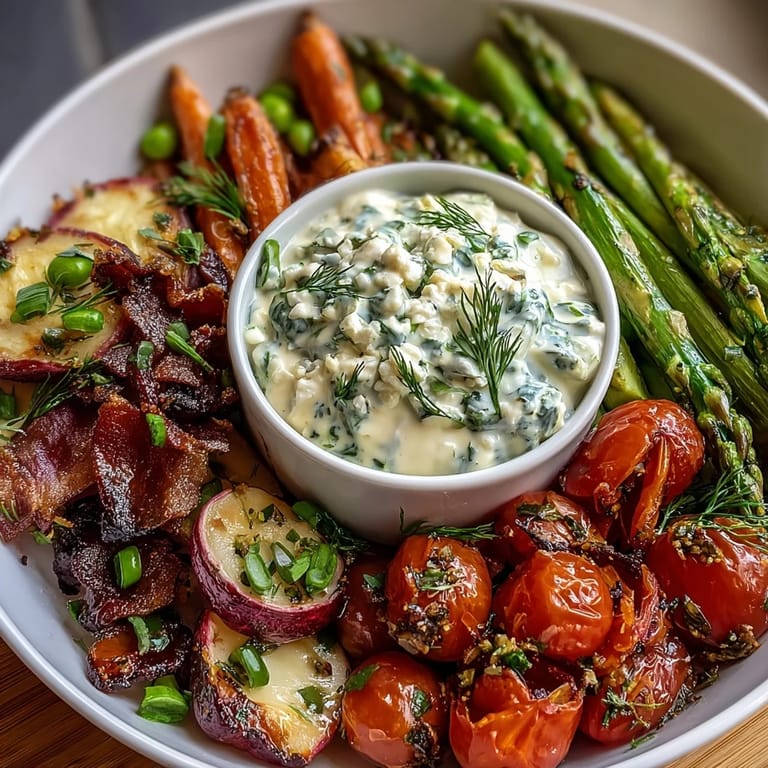 Save
Save This board has become my answer to the question "what do I bring?" because it always feels celebratory without being complicated. It's spring on a platter, essentially—proof that sometimes the best meals are the ones where you step back and let fresh ingredients do what they do best.
Recipe FAQs
- → What vegetables work best on this spring board?
Crisp veggies like radishes, sugar snap peas, baby carrots, cherry tomatoes, and cucumbers bring freshness and color.
- → How is the herb dip prepared?
The dip combines Greek yogurt, mayonnaise, lemon juice, fresh chives, parsley, dill, garlic, salt, and pepper for a creamy, flavorful complement.
- → Can the dip be made ahead of time?
Yes, the dip can be prepared up to two days in advance and refrigerated for convenience.
- → Are there variations for dietary preferences?
For a vegan twist, substitute Greek yogurt with plant-based alternatives while keeping the fresh herbs.
- → What can be served alongside the board?
Assorted crackers or sliced baguette are excellent options to accompany the vegetables and dip.