 Save
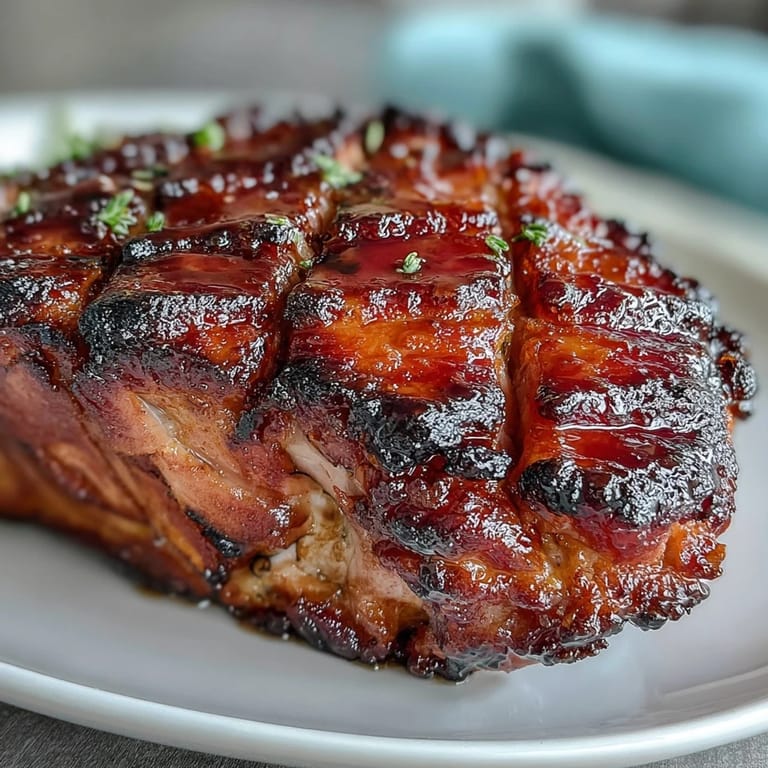
Save My aunt pulled a ham from her oven one Christmas Eve, and the kitchen filled with this unexpected tartness—black currant jam mingling with Dijon mustard in a way that shouldn't have worked but absolutely did. I'd grown up thinking glazed ham meant brown sugar and pineapple, the predictable route. But watching her brush that deep purple-red glaze onto the scoring marks, seeing it caramelize into something almost jewel-like, changed how I thought about what a holiday ham could be. The tartness cuts through the richness in a way that feels elegant rather than heavy.
I made this for a dinner party where I was nervous about impressing people with more adventurous palates, and it became the thing everyone asked about. One guest actually asked for the recipe written out because she wanted to know exactly what made it taste "fancy but not pretentious," which somehow felt like the highest compliment. That moment taught me that good food doesn't need to be complicated—it just needs to be thoughtful.
Ingredients
- Bone-in, fully cooked ham (6–8 lb / 2.7–3.6 kg): The bone keeps everything moist during baking and adds flavor, and buying it fully cooked means you're just warming and glazing, not wrestling with raw meat.
- Black currant jam (1 cup / 320 g): This is the star—look for a good quality jam without too much pectin if you can find it, as it needs to brush smoothly; cheap jams can be gluey.
- Dijon mustard (3 tablespoons): The sharpness here is what prevents the glaze from being sweet and one-note; don't skip it or substitute yellow mustard.
- Apple cider vinegar (2 tablespoons): This brightens everything and keeps the glaze from feeling heavy or sticky on the palate.
- Brown sugar (2 tablespoons): Just enough to add depth and help the glaze caramelize, not enough to make it candy-like.
- Freshly ground black pepper (1 teaspoon): Grinding it fresh makes a real difference in how it sits on your tongue—pre-ground tastes dusty by comparison.
- Ground allspice (1/2 teaspoon, optional): If you use it, it whispers warmth rather than shouts; omit if you want the tartness to be the main event.
Tired of Takeout? 🥡
Get 10 meals you can make faster than delivery arrives. Seriously.
One email. No spam. Unsubscribe anytime.
Instructions
- Set the stage:
- Preheat to 325°F and line your roasting pan with foil—this catches drips and makes cleanup almost effortless. The gentle temperature means the outside won't dry out while the inside warms through.
- Prepare the ham:
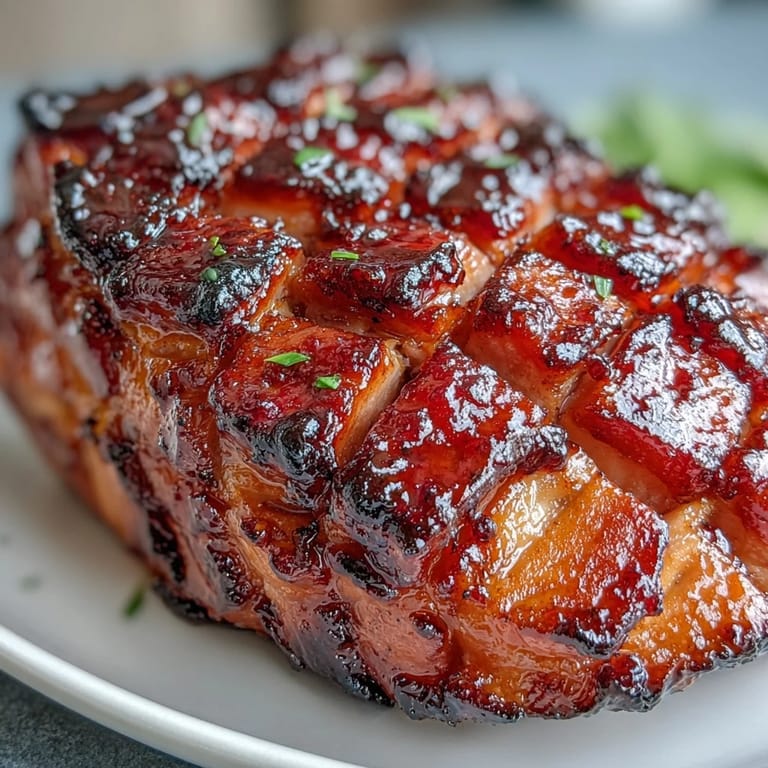
- Trim away any thick skin but leave a thin layer of fat to protect the meat. Score the surface in a diamond pattern with a sharp knife—this isn't just for looks; it gives the glaze somewhere to pool and caramelize.
- Build the glaze:
- Combine jam, mustard, vinegar, brown sugar, pepper, and allspice in a saucepan over medium heat, stirring gently until it's smooth and just warm. Taste it before it hits the ham—you want to feel the tartness and the mustard's bite.
- First brush:
- Place ham cut-side down and brush generously with about one-third of the glaze. The foil tent will keep it moist while the glaze starts to set.
- Midpoint reveal:
- After an hour, uncover the ham and brush with half the remaining glaze. This is when the kitchen really starts to smell incredible—the caramelization is beginning.
- Final glaze and caramelize:
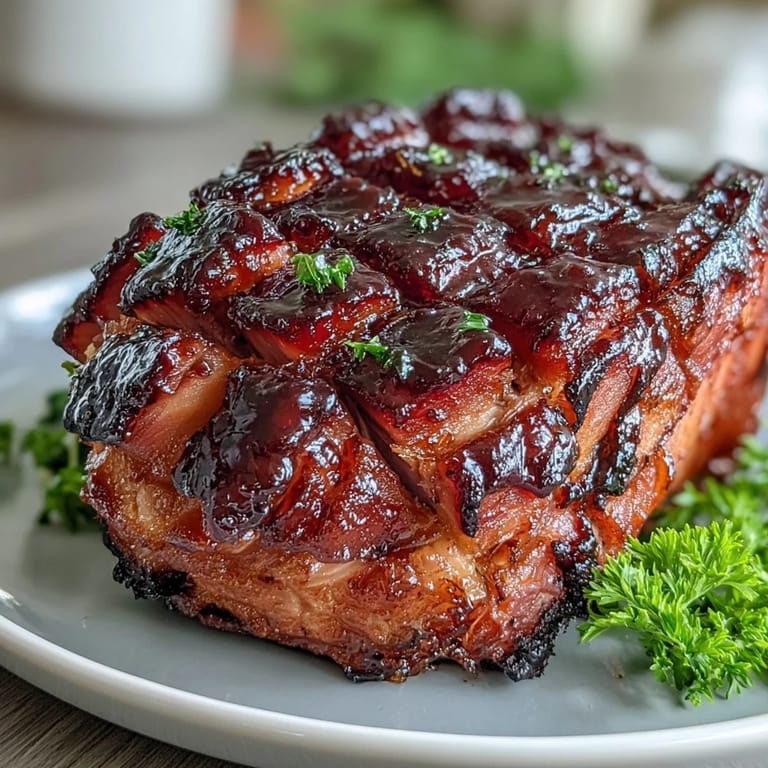
- Brush on the last of the glaze and bake uncovered for 30 minutes until it's glossy and deeply caramelized. The internal temperature should reach 140°F if the ham started fully cooked, but honestly, you'll know it's ready when it looks like it was dipped in glossy varnish.
- Rest and serve:
- Tent with foil and rest for 15–20 minutes—this keeps the juices from spilling onto the cutting board. Slice and garnish with fresh black currants or thyme if you want that final touch.
 Save
Save There's something about slicing into this ham at the table with people watching, seeing the glaze shine under the light, knowing they're about to taste something they didn't expect from a holiday ham. It becomes less about the food itself and more about that moment of pleasant surprise, which is really what cooking for others is about.
When to Make This
This belongs on holiday tables and special dinners where you want to feel like you've done something impressive without spending all day in the kitchen. It also works beautifully for Easter, a milestone birthday, or whenever you want to elevate a simple protein into something that tastes like it took real effort. The timing is forgiving—it can rest in a warm oven while you finish other dishes, and everything tastes better when served warm rather than hot.
What to Serve Alongside
The tartness of the glaze begs for something creamy or rich to balance it—buttered potatoes, a gratin, or even a silky cauliflower puree. A crisp green salad with a light vinaigrette cuts through beautifully without fighting the ham. I've also had wonderful success with roasted root vegetables tossed in a little honey and thyme, which echo the ham's warmth without competing with it.
Making It Your Own
This glaze is adaptable enough to feel personal—if you lean toward heat, a pinch of cayenne or fresh cracked red pepper flakes adds character. A splash more vinegar pushes the tartness forward if you prefer that brightness. Some people have added a touch of bourbon or whiskey to deepen the flavor, and honestly, it works beautifully, though the original is perfect as is.
- Leftover ham makes transcendent sandwiches with a little extra mustard and maybe some pickled vegetables.
- The same glaze transforms pork tenderloin or chicken thighs if you want to make this technique work year-round.
- Any extra glaze keeps in the refrigerator for a week and adds glamour to roasted vegetables or grilled meats later.
 Save
Save This ham taught me that the best recipes are often the simple ones that balance two or three flavors perfectly, letting each one shine. I hope it becomes something you return to again and again, each time feeling a little easier and a lot more delicious.
Recipe FAQs
- → What type of ham is best for glazing?
A fully cooked, bone-in ham between 6 to 8 pounds works well as it provides even cooking and slices nicely.
- → How do I get a glossy glaze on the ham?
Brush the ham with the glaze in three stages during baking, allowing it to caramelize and create a shiny finish.
- → Can I add a spicy twist to the glaze?
Yes, adding a pinch of cayenne pepper to the glaze mixture brings a subtle heat that complements the sweetness.
- → What side dishes pair well with this ham?
Roasted potatoes, green salads, or seasonal vegetables make excellent accompaniments to balance the rich glaze.
- → How should leftovers be stored and used?
Wrap cooled slices tightly and refrigerate. Leftovers are perfect for sandwiches or reheated meals.