 Save
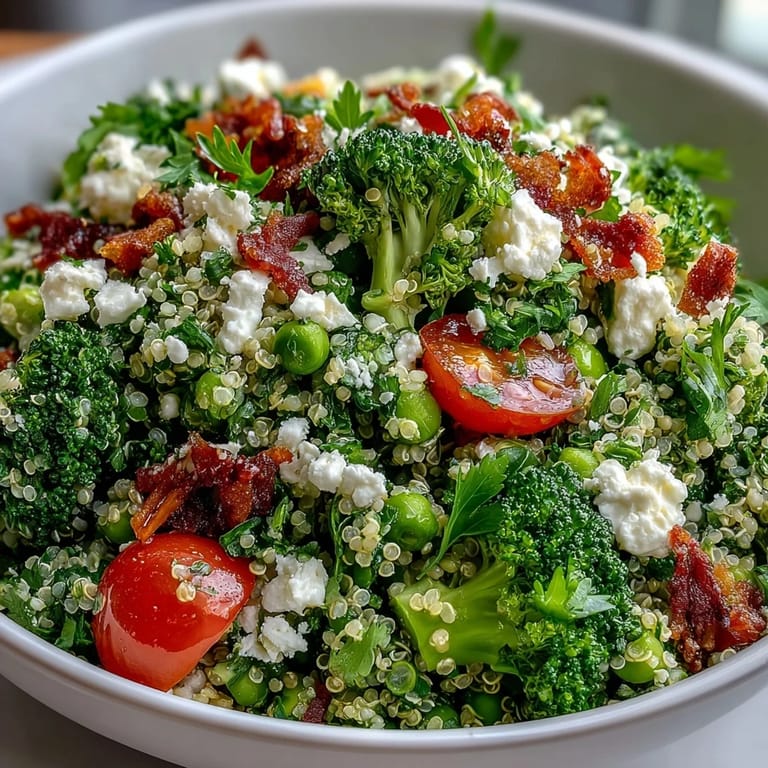
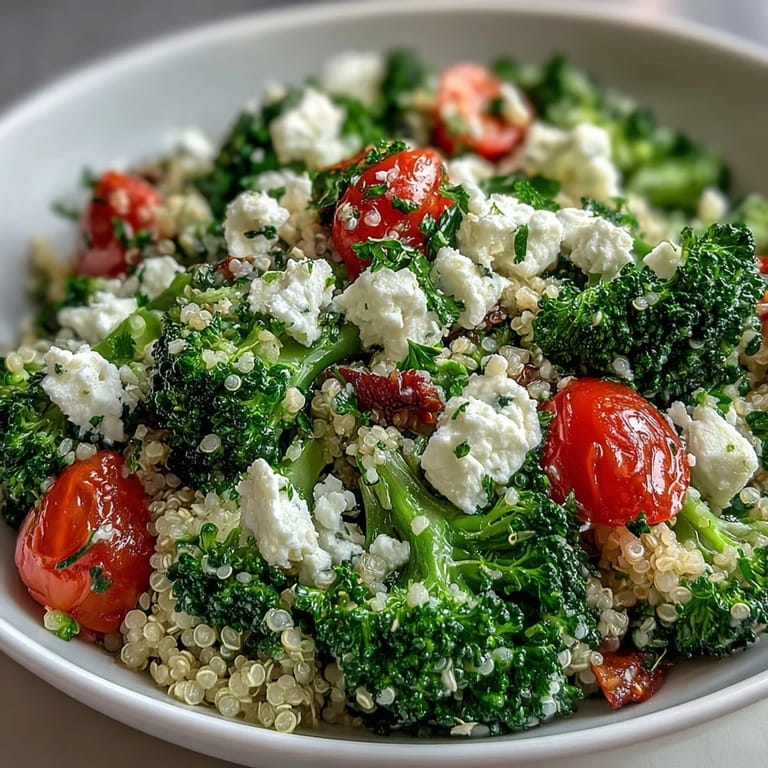
Save My coworker Sarah brought this bowl to lunch one Tuesday, and I remember watching her eat it while I picked at my sad desk sandwich, genuinely jealous. The colors alone—that bright green broccoli against white feta crumbles and ruby tomatoes—made it look like something from a magazine, but what really got me was how she said it tasted even better the next day. I made a batch that weekend, and now it's become my default move when I need something that feels both indulgent and responsible.
I made this for a friend's potluck dinner party, and I brought it expecting to eat my portion and share the rest—instead, people kept coming back for more until the bowl was empty. Someone asked if I'd made it that morning or if I'd bought it from some fancy deli, and honestly, the compliment stuck with me more than I'd like to admit. That's when I realized this dish has a quiet elegance that makes people feel like you've put thought into feeding them.
Ingredients
- Quinoa: Rinsing it removes bitterness, and using vegetable broth instead of water adds a subtle depth that changes everything.
- Broccoli florets: Don't skip the ice water bath—it locks in that bright color and keeps them from turning mushy.
- Green peas: Frozen ones are honestly just as good as fresh, and they thaw in seconds without losing their sweetness.
- Cherry tomatoes: Halving them instead of quartering lets them stay plump and juicy rather than weeping into the dressing.
- Red onion: The raw bite mellows slightly over time, so it's perfect for meal prep and won't get harsh sitting in the fridge.
- Feta cheese: Room temperature feta crumbles more easily, so pull it from the fridge a few minutes before assembling.
- Fresh parsley: Add it right before eating to keep it vibrant—it wilts faster than you'd expect in a dressed salad.
- Extra-virgin olive oil: The quality matters here since it's not being cooked, so use something you actually enjoy tasting.
- Lemon juice: Fresh squeezed makes a noticeable difference; bottled works in a pinch but tastes a bit muted.
- Dijon mustard: It acts as an emulsifier, helping the dressing cling to the vegetables instead of pooling at the bottom.
- Garlic clove: Mincing it fine prevents those aggressive raw garlic chunks that surprise you mid-bite.
Tired of Takeout? 🥡
Get 10 meals you can make faster than delivery arrives. Seriously.
One email. No spam. Unsubscribe anytime.
Instructions
- Get your quinoa started:
- Rinse it under cold water first—you'll hear it makes a subtle scratching sound against the bowl, and that's the bitter coating leaving. Bring your liquid to a boil, add the quinoa, and the moment it comes back to a boil, drop the heat to low, cover it, and set a timer for exactly 15 minutes; any longer and you'll end up with mushy grains.
- Steam the broccoli until crisp-tender:
- You want to catch it at that perfect moment when it's bright green and still has a slight snap when you bite it. Toss it into an ice bath immediately after—this stops the cooking and keeps the color gorgeous, which honestly makes the whole bowl look more appetizing.
- Wake up your peas:
- If they're frozen, pour boiling water over them and let them sit for two minutes, then drain; fresh ones just need a quick one-minute blanch. Either way, you're not cooking them fully, just warming them enough so they taste sweet and tender rather than raw or mealy.
- Make a dressing that actually sticks:
- Whisk the olive oil, lemon juice, mustard, and garlic together in a small bowl until it looks slightly thickened and emulsified. Taste it before adding salt and pepper—you want it bright and punchy because it's about to coat a lot of neutral grains.
- Bring everything together gently:
- Combine the cooled quinoa with your vegetables in a large bowl, then pour the dressing over and toss slowly so you don't break up the broccoli or crush the peas. This is where it stops being separate ingredients and becomes an actual dish.
- Serve with the toppings:
- Divide into bowls and scatter crumbled feta and fresh parsley on top—doing this at the end keeps the feta from absorbing too much dressing and getting gummy. Eat it right away or cover and refrigerate for up to two days.
 Save
Save There's something quietly satisfying about eating a bowl this colorful and knowing it's genuinely good for you. One evening, I caught myself eating it slowly, actually tasting each component, and realized this is the kind of food that nourishes without feeling like a compromise.
Why This Bowl Works for Meal Prep
Most grain bowls get soggy by day two, but this one actually improves slightly as the flavors meld—the feta softens into the dressing, the vegetables become more tender, and the whole thing tastes more cohesive. I've brought this to work on a Wednesday after making it on Sunday, and it still tastes fresh. The key is keeping the dressing separate until you're ready to eat, or at least tossing everything together just before you pack it if you're eating it that same day.
Temperature and Timing Flexibility
Whether you're eating this warm from the stovetop or chilled straight from the fridge, it shifts into something different but equally satisfying. Warm, it feels like a comforting dinner bowl; cold, it's refreshing and light for lunch. I've even made it at room temperature for picnics, and there's something about that temperature that feels neither heavy nor too austere.
Building Flavor Without Heaviness
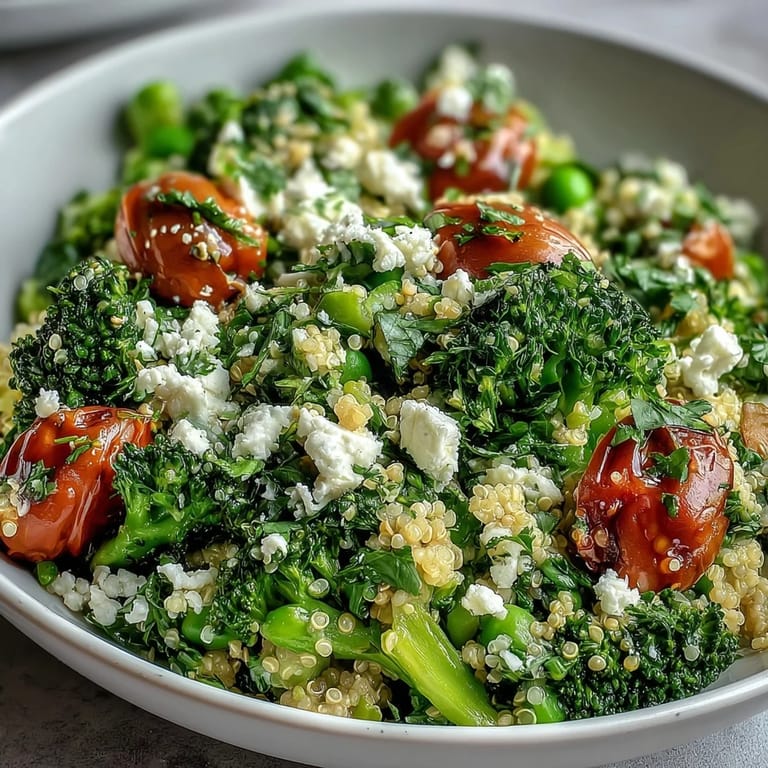
The dressing here is unexpectedly flavorful without being heavy—that Dijon mustard does most of the work, emulsifying the oil so it clings rather than pools, while the lemon brings brightness. The result is a bowl that tastes rich and intentional without leaving you feeling weighed down. Think of it as the difference between a salad dressing that happens to coat vegetables and one that's actually part of the dish.
- Make the dressing slightly stronger than you think you need it, because the neutral quinoa and vegetables will absorb more flavor than you'd expect.
- Toast some pumpkin seeds or walnuts and scatter them on top right before eating for crunch that actually lasts.
- If you're making this ahead, store the dressing separately and dress the bowl only when you're ready to eat.
 Save
Save This bowl taught me that simple food done well is its own kind of magic. Make it once, and you'll understand why it became my default answer to "what should I bring?"
Recipe FAQs
- → How do I cook quinoa perfectly?
Rinse quinoa under cold water to remove bitterness. Simmer in water or broth for about 15 minutes until liquid is absorbed. Fluff with a fork before serving.
- → Can I use frozen vegetables in this dish?
Yes, frozen peas can be quickly blanched or soaked in boiling water. Fresh broccoli is preferable but steamed frozen broccoli works well too.
- → What can I substitute for feta cheese?
Goat cheese or a dairy-free alternative can be used to keep a similar tang and creaminess if avoiding dairy.
- → How should I store leftovers?
Store the grain bowl in an airtight container in the refrigerator for up to two days. Add dressing fresh or toss before serving to maintain freshness.
- → What flavors balance the bowl?
The lemon juice and Dijon mustard in the dressing brighten the nutty quinoa and earthy vegetables, while feta adds tangy creaminess, creating a well-rounded flavor profile.
- → Can I add more crunch to this dish?
Toasted pumpkin seeds or walnuts make excellent toppings to add texture and complement the fresh ingredients.