 Save
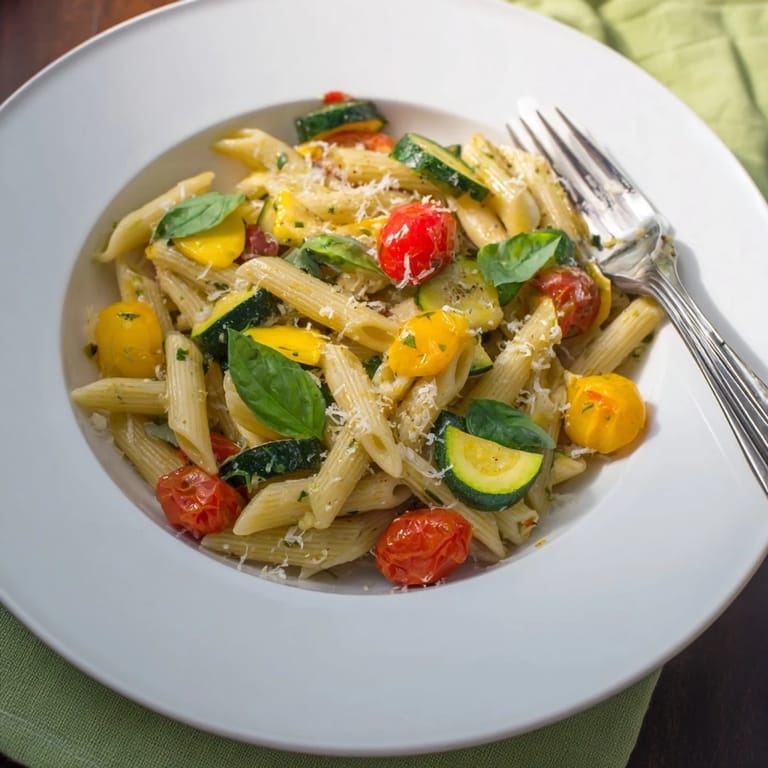
Save My neighbor showed up at my door one July evening with a canvas bag overflowing with squash and tomatoes. Her garden had gone wild, and she was practically begging people to take vegetables off her hands. I tossed everything into a skillet with some garlic and pasta, and that simple dinner turned into something I now make whenever summer produce starts piling up. It's become my go-to way to clear out the crisper drawer without any waste.
I made this for a friend who claimed she didnt like zucchini. She ate two bowls and asked for the recipe before she left. Watching her face change from skeptical to surprised reminded me that sometimes the simplest dishes are the ones that win people over. Theres no heavy sauce to hide behind, just vegetables doing what they do best when treated right.
Ingredients
- Penne or fusilli pasta: The ridges and shapes catch the olive oil and tiny bits of tomato, making every forkful satisfying without needing a heavy sauce.
- Zucchini: Slice them into half-moons so they cook evenly and dont turn to mush; thinner pieces crisp up at the edges if you let them sit undisturbed for a minute.
- Yellow squash: It adds a slightly sweeter, buttery flavor that balances the zucchini and makes the dish feel more colorful and alive.
- Cherry or grape tomatoes: Halved tomatoes burst and release their juices into the pan, creating a light, naturally sweet sauce that clings to the pasta.
- Extra virgin olive oil: Use the good stuff here because its flavor shines through; this isnt the time for a bland, generic oil.
- Garlic: Mince it finely and dont let it brown, or itll taste bitter and overpower the delicate vegetables.
- Kosher salt and black pepper: Season the pasta water generously and taste the vegetables as you go; underseasoned veggies make the whole dish fall flat.
- Fresh basil: Tear or slice it at the last minute so it stays vibrant and fragrant, not bruised and dull.
- Red pepper flakes: A small pinch adds warmth without making it spicy, just enough to wake up your taste buds.
- Parmesan cheese: It melts slightly into the hot pasta and adds a salty, nutty finish, but the dish is still delicious without it.
- Lemon zest: A quick grate over the top brightens everything and makes the whole bowl taste more lifted and summery.
Tired of Takeout? 🥡
Get 10 meals you can make faster than delivery arrives. Seriously.
One email. No spam. Unsubscribe anytime.
Instructions
- Boil the pasta:
- Bring a large pot of salted water to a rolling boil and cook the pasta until al dente, then save half a cup of the starchy water before draining. That cloudy water is liquid gold for bringing everything together later.
- Saute the garlic:
- Heat olive oil in a large skillet over medium heat and add the minced garlic, stirring constantly for about a minute until it smells sweet and nutty. Pull it off the heat the second it starts to turn golden or itll go bitter fast.
- Cook the squash:
- Add the zucchini and yellow squash to the skillet and let them cook for four to five minutes, stirring occasionally so they soften but still have a little bite. Dont crowd the pan or theyll steam instead of getting those nice caramelized edges.
- Add the tomatoes:
- Toss in the halved tomatoes along with salt, pepper, and red pepper flakes if youre using them, then cook for three to four minutes until they start to collapse and release their juices. The pan should look glossy and smell like summer.
- Combine with pasta:
- Lower the heat and add the drained pasta directly to the skillet, tossing everything together and adding splashes of reserved pasta water until it all clings together in a light, silky coating. The starch in the water helps the oil and tomato juices emulsify into something cohesive.
- Finish and garnish:
- Stir in the fresh basil and Parmesan if youre using it, taste for seasoning, then serve in warm bowls with extra basil and a sprinkle of lemon zest on top. The zest is optional but it makes the whole dish taste brighter and more complete.
 Save
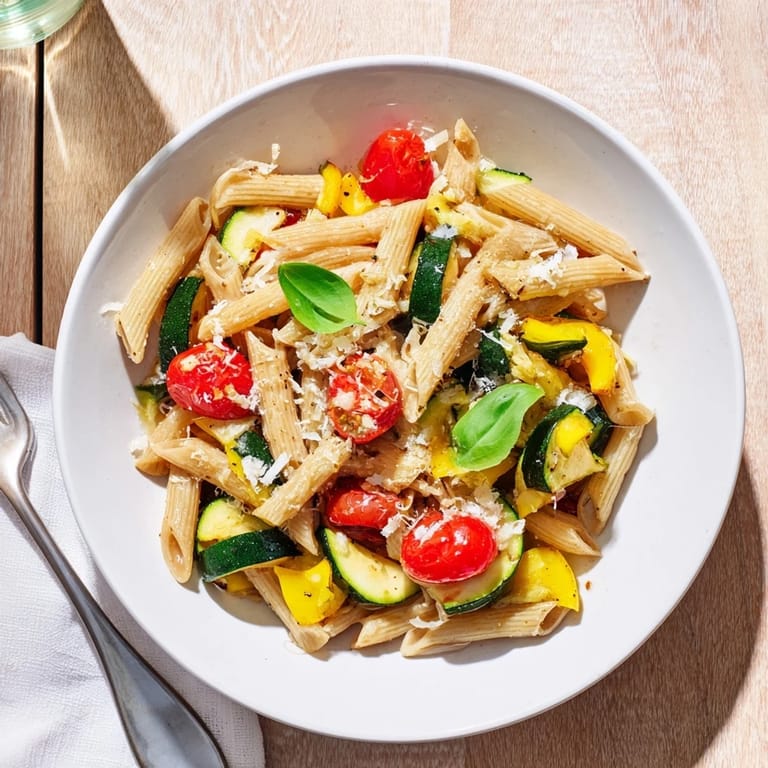
Save One evening I served this to my family outside on the patio with a bottle of cold white wine and a loaf of crusty bread. The sun was setting, the tomatoes were still warm from the garden, and nobody said much because we were all too busy eating. It was one of those meals that didnt need conversation to feel special.
Choosing the Right Pasta Shape
Penne and fusilli work beautifully here because their shapes trap bits of tomato and garlic in every bite. I tried this once with spaghetti and it was fine, but the vegetables kept sliding off the noodles and it felt less cohesive. Short pasta with ridges or twists makes the whole dish easier to eat and more satisfying without any extra effort.
Making It Your Own
This recipe is more of a template than a strict rulebook. Ive added handfuls of spinach, diced bell peppers, and even leftover roasted eggplant depending on whats in the fridge. The key is to keep the proportions roughly the same so the pasta doesnt get overwhelmed or dry. If you add something watery like spinach, let it wilt down first so it doesnt make the dish soggy.
Storing and Reheating Leftovers
Leftovers keep in the fridge for up to three days in an airtight container. When you reheat it, add a splash of water or olive oil to the pan because the pasta will have absorbed most of the moisture overnight. I usually reheat it gently in a skillet over low heat, stirring often, and it tastes almost as good as the first time.
- Dont microwave it on high or the pasta will turn rubbery and the vegetables will dry out.
- If it tastes flat after reheating, add a pinch of salt and a squeeze of fresh lemon juice to wake it back up.
- You can also toss cold leftovers with a little vinegar and extra olive oil for a quick pasta salad.
 Save
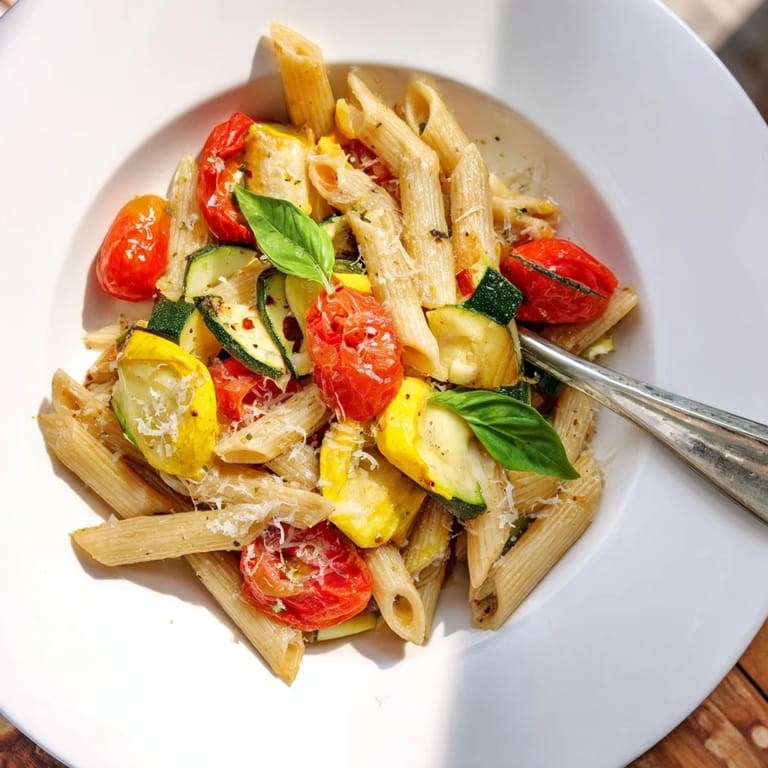
Save This is the kind of recipe that makes you feel like a capable cook without demanding much from you. It rewards attention but forgives distraction, and it tastes like the best parts of summer even when the weather outside isnt cooperating.
Recipe FAQs
- → Can I prepare this dish with different vegetables?
Yes, this pasta is highly adaptable. Bell peppers, spinach, eggplant, and asparagus work beautifully. Add softer vegetables like tomatoes near the end to prevent overcooking. Heartier vegetables can be sautéed longer at the beginning.
- → How do I make this dish vegan?
Simply omit the Parmesan cheese or substitute with a plant-based alternative. The pasta itself is naturally vegan when made from durum wheat semolina. Ensure you use certified vegan pasta if needed.
- → What does al dente mean and why is it important?
Al dente means 'to the tooth'—pasta cooked until just tender with a slight firmness in the center. It prevents mushy pasta and provides better texture when tossed with vegetables and sauce. Check package instructions and taste a few minutes before the suggested time.
- → Why reserve pasta water and when do I use it?
Pasta water contains starch that helps create a silky, cohesive sauce coating the noodles. Add it gradually while tossing the pasta with vegetables and oil, stirring until you reach your desired sauce consistency.
- → Can I make this ahead and reheat it?
While best served fresh, leftovers can be stored in an airtight container for up to 3 days. Reheat gently on the stovetop with a splash of water or olive oil to restore creaminess. Add fresh basil after reheating for brightness.
- → What wine pairs well with this dish?
Crisp white wines work best with the light, fresh flavors. Sauvignon Blanc offers herbaceous notes, while Pinot Grigio provides bright acidity. Both complement the garlic and basil without overpowering the delicate vegetables.