 Save
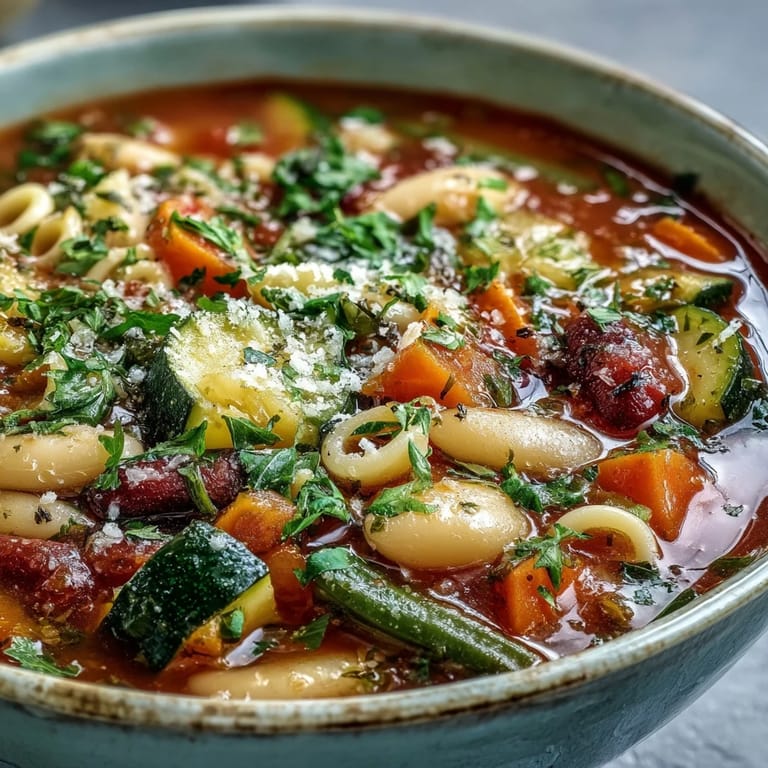
Save I used to think soup was just filler until a rainy Tuesday in October when the power went out. The kitchen was cold but the smell of onions hitting warm olive oil felt like a literal hug. This minestrone grew from whatever was left in my vegetable drawer that night. It turned into a bubbling pot of comfort that we ate by candlelight. Now it is my go-to recipe when the world feels a little too fast.
One time I accidentally overcooked the pasta because I got distracted by a phone call from my sister. The ditalini turned into soft little pillows that actually absorbed the tomato broth beautifully. Instead of a disaster it felt like a thick hearty stew that we ended up dipping entire crusty baguettes into. It taught me that this soup is incredibly forgiving and almost impossible to mess up even if you lose track of time.
Ingredients
- Olive oil: High quality oil creates a silky mouthfeel and helps the aromatics release their natural sweetness.
- Onion carrots and celery: These three vegetables form the aromatic base known as a soffritto which is the soul of Italian cooking.
- Garlic and zucchini: Fresh garlic provides a sharp punch while zucchini adds a soft texture that absorbs the broth.
- Green beans and spinach: These greens offer a pop of color and a fresh earthy flavor to every single bite.
- Diced tomatoes: Canned tomatoes provide the necessary acidity to balance the richness of the beans and pasta.
- Vegetable broth: A light broth allows the natural flavors of the garden vegetables to shine through clearly.
- Dried herbs and bay leaf: Oregano basil and thyme bring a concentrated Mediterranean aroma that smells like a summer afternoon.
- Small pasta: Ditalini or small shells are the traditional choice because they fit perfectly onto a soup spoon.
- Cannellini and red kidney beans: These beans provide a creamy texture and plenty of protein to make the soup truly filling.
Tired of Takeout? 🥡
Get 10 meals you can make faster than delivery arrives. Seriously.
One email. No spam. Unsubscribe anytime.
Instructions
- Softening the base:
- Warm the oil in your pot and cook the onion carrots and celery for five to six minutes until they are soft and fragrant. This foundation is where most of your flavor will come from so do not rush it.
- Building the flavor:
- Stir in the garlic zucchini and green beans to let them lightly toast for about three or four minutes. You want them to soften slightly before they meet the liquid so they maintain their individual character.
- Simmering the broth:
- Pour in the tomatoes broth and all those fragrant dried herbs then bring the pot to a gentle boil. Reduce the heat and let it bubble away under a lid for fifteen minutes to concentrate the flavors.
- Adding heartiness:
- Drop in the pasta and both types of beans once the vegetables are tender to the touch. Keep the pot uncovered now for ten to twelve minutes so the pasta can cook perfectly while the broth thickens slightly.
- The green finish:
- Toss in your chopped spinach or kale and stir them until they wilt into the hot soup. Take out the bay leaf and give it a final taste to see if it needs more salt or pepper.
 Save
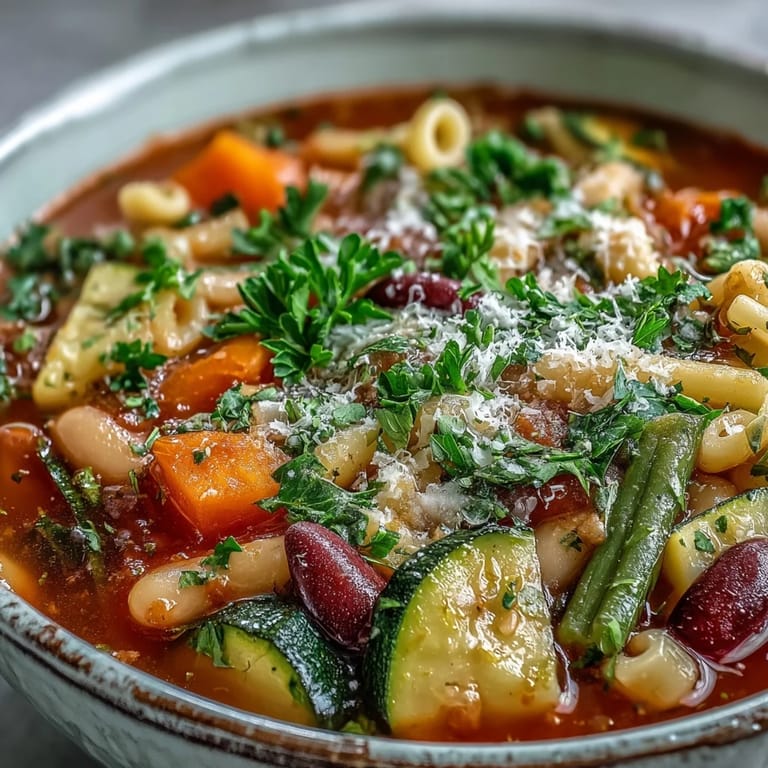
Save One evening my niece helped me stir the pot and she insisted we add a handful of peas she found in the freezer. We laughed about her creative addition but it ended up being a delicious sweet surprise in the mix. Now I think of her every time I see a bag of frozen peas.
Seasonal Vegetable Swaps
You can easily adapt this soup to whatever the weather is doing outside. In the winter I love adding diced butternut squash or hearty cabbage for a thicker feel. Summer versions benefit from fresh peas and a handful of chopped asparagus tips added right at the end.
The Secret of the Broth
If you happen to have a leftover Parmesan cheese rind lying around you should definitely throw it into the pot while it simmers. It adds a deep savory quality that you simply cannot get from a box of broth alone. Just remember to fish out whatever is left of the rind before you start serving it to guests.
Storage and Reheating Tips
This soup is famous for tasting even better on the second day because the herbs have more time to infuse. If you are making a giant batch specifically for meal prep you might want to cook the pasta separately. This prevents the noodles from getting too soft while they sit in the fridge overnight.
- Store the soup in airtight glass containers for up to four days for the best flavor.
- Reheat on the stove over medium heat and add a splash of water if it has thickened too much.
- Freeze individual portions without the pasta for a quick and healthy homemade meal later on.
 Save
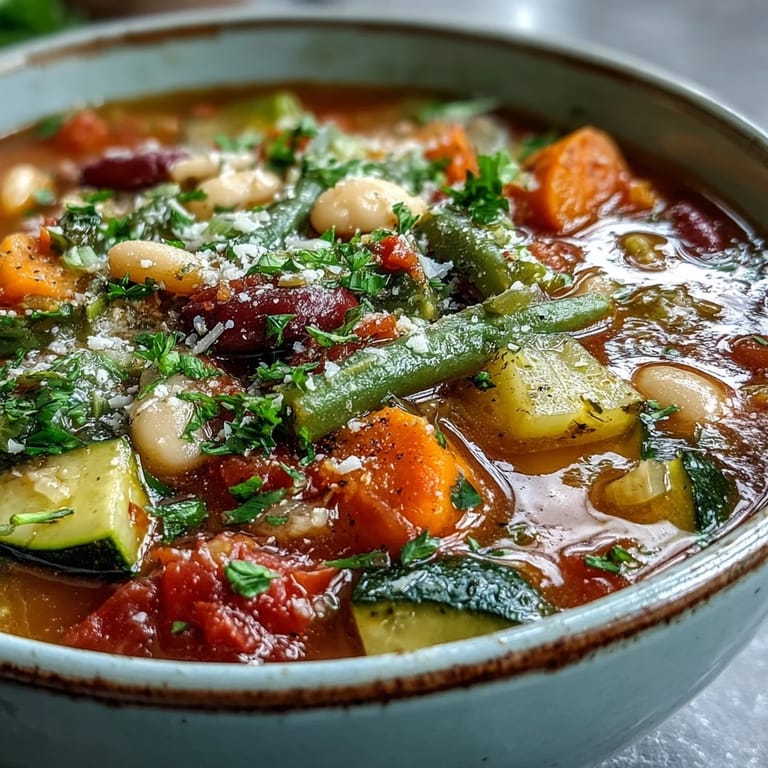
Save This minestrone is more than just a recipe: it is a flexible friend that is always there for you. I hope it brings a sense of peace and warmth to your busy kitchen.
Recipe FAQs
- → Can I freeze minestrone soup?
Yes, though the pasta texture may change. For best results, freeze without pasta and add fresh pasta when reheating. Alternatively, slightly undercook pasta before freezing to maintain texture.
- → What vegetables work best in minestrone?
Traditional minestrone uses onions, carrots, celery, zucchini, and green beans. You can also add potatoes, cabbage, peas, or whatever seasonal vegetables you have on hand. It's a flexible dish designed to use available produce.
- → How do I make minestrone vegan?
Simply omit the Parmesan garnish or use a plant-based alternative. The base is already vegan-friendly with vegetable broth and olive oil. Nutritional yeast can provide a cheesy flavor if desired.
- → What pasta shape is best?
Small pasta shapes like ditalini, elbows, or small shells work perfectly as they fit well on the spoon. Larger shapes can be broken into smaller pieces. For gluten-free options, choose rice or corn-based small pasta.
- → How long does minestrone keep?
Refrigerated in an airtight container, it keeps 4-5 days. The flavors actually develop and improve after a day. If making ahead, undercook pasta slightly as it will continue softening in the broth.
- → Can I make minestrone in a slow cooker?
Absolutely. Sauté vegetables first, then transfer everything except pasta and spinach to the slow cooker. Cook 4-6 hours on low, add pasta during the last 30 minutes, and stir in spinach just before serving.