 Save
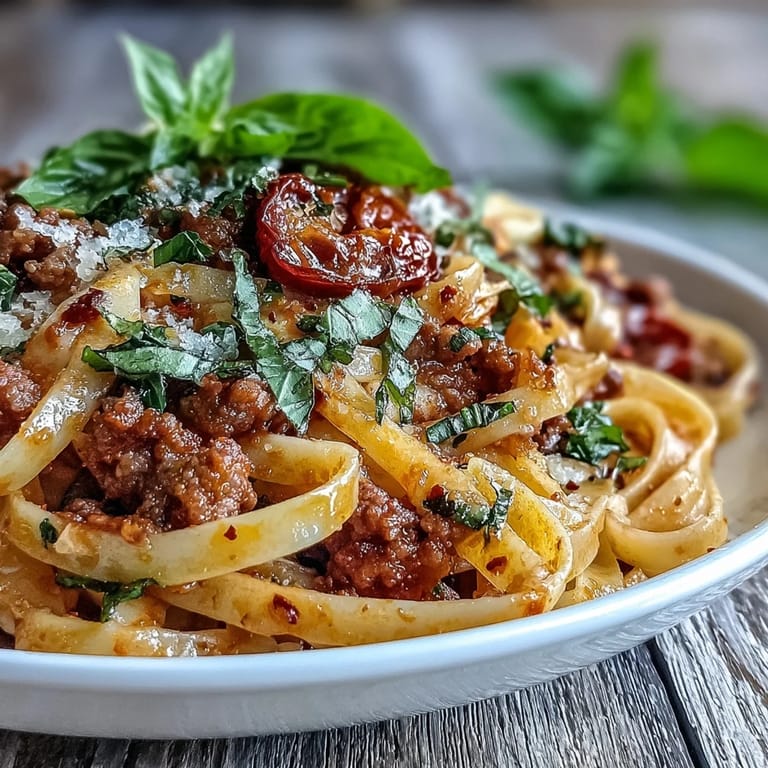
Save My neighbor Marco used to lean over the fence with a glass of Chianti in hand, insisting that wine belongs in the pan just as much as in the glass. One night I had leftover sausage, a basket of cherry tomatoes going soft, and half a bottle of red wine I didn't want to waste. I threw it all into a skillet with pasta, and the kitchen filled with this intoxicating, garlicky, wine-soaked aroma that made me call him over immediately. He took one bite, laughed, and said it tasted like Italy got into a happy argument with a noodle bowl.
I made this for a small dinner party once, and my friend who swore she hated spicy food went back for seconds, then thirds. She said the sweetness of the tomatoes and the richness of the wine made the heat feel playful instead of punishing. By the end of the night, we were all twirling noodles and debating whether to call it Italian or fusion, but no one cared as long as there was more in the pan.
Ingredients
- Spaghetti or linguine: Use whatever you have, regular, gluten-free, or whole wheat all work beautifully, just cook it to al dente so it holds up when tossed with the sauce.
- Extra-virgin olive oil: This is your base for flavor, don't skimp, the fruity richness carries the garlic and onion.
- Yellow onion: Slice it thin so it softens quickly and melts into the sauce, adding a subtle sweetness.
- Garlic cloves: Mince them fine and add them just before the protein so they perfume the oil without burning.
- Red pepper flakes: Start with a teaspoon and taste as you go, you want warmth, not fire.
- Italian sausage or shrimp: Sausage brings deep, savory richness, shrimp adds a lighter, briny sweetness, both are incredible.
- Cherry tomatoes: Halve them so they release their juices faster and create a chunky, fresh sauce.
- Tomato paste: Just two tablespoons deepen the color and add umami without making it heavy.
- Dry red wine: Chianti or Sangiovese are ideal, their acidity and fruit balance the richness perfectly.
- Soy sauce: This is the secret, it adds a savory depth that feels almost magical.
- Worcestershire sauce: Another layer of umami that ties everything together.
- Balsamic vinegar: A teaspoon brightens the sauce and highlights the sweetness of the tomatoes.
- Fresh basil: Tear it roughly and stir it in at the end so it stays vibrant and aromatic.
- Fresh parsley: Chopped parsley adds a fresh, grassy note that lifts the dish.
- Parmesan cheese: Grate it fresh, it melts into the noodles and creates a silky finish.
Tired of Takeout? 🥡
Get 10 meals you can make faster than delivery arrives. Seriously.
One email. No spam. Unsubscribe anytime.
Instructions
- Boil the pasta:
- Bring a large pot of salted water to a rolling boil and cook your pasta until just al dente, following the package directions. Reserve a cup of the starchy cooking water before draining, it will help the sauce cling to every strand.
- Heat the skillet:
- While the pasta cooks, heat a large skillet over medium-high heat and add the olive oil, swirling it to coat the bottom. You want the oil shimmering but not smoking.
- Sauté the aromatics:
- Add the sliced onion and cook for 2 to 3 minutes until it starts to soften and turn translucent. Stir in the minced garlic and red pepper flakes, cooking for just 30 seconds until the kitchen smells incredible.
- Cook the protein:
- Add the crumbled sausage or shrimp to the skillet. For sausage, break it into bite-sized pieces and cook for 5 to 7 minutes until browned and cooked through. For shrimp, cook 2 to 3 minutes per side until they turn pink and opaque.
- Add the tomatoes:
- Stir in the halved cherry tomatoes and tomato paste, cooking for about 2 minutes. Use your spoon to gently mash some of the tomatoes so they release their juices and start to form a sauce.
- Deglaze with wine:
- Pour in the red wine, scraping up any browned bits stuck to the bottom of the pan. Let it simmer for 2 to 3 minutes until the wine reduces by about half and the alcohol smell mellows.
- Season the sauce:
- Add the soy sauce, Worcestershire sauce, and balsamic vinegar, stirring to combine. Taste and adjust with salt, pepper, or more red pepper flakes if you want extra heat.
- Toss the pasta:
- Add the drained pasta to the skillet and toss everything together, adding reserved pasta water a few tablespoons at a time until the sauce coats the noodles beautifully. The starch in the water helps everything cling.
- Finish with herbs and cheese:
- Remove the skillet from the heat and stir in the torn basil, chopped parsley, and grated Parmesan until the cheese melts and everything is glossy. This is where the magic happens.
- Serve:
- Divide the pasta among bowls and garnish with extra basil, more Parmesan, sliced red chili if you like, and a wedge of lemon for a bright squeeze. Serve immediately while it is still steaming.
 Save
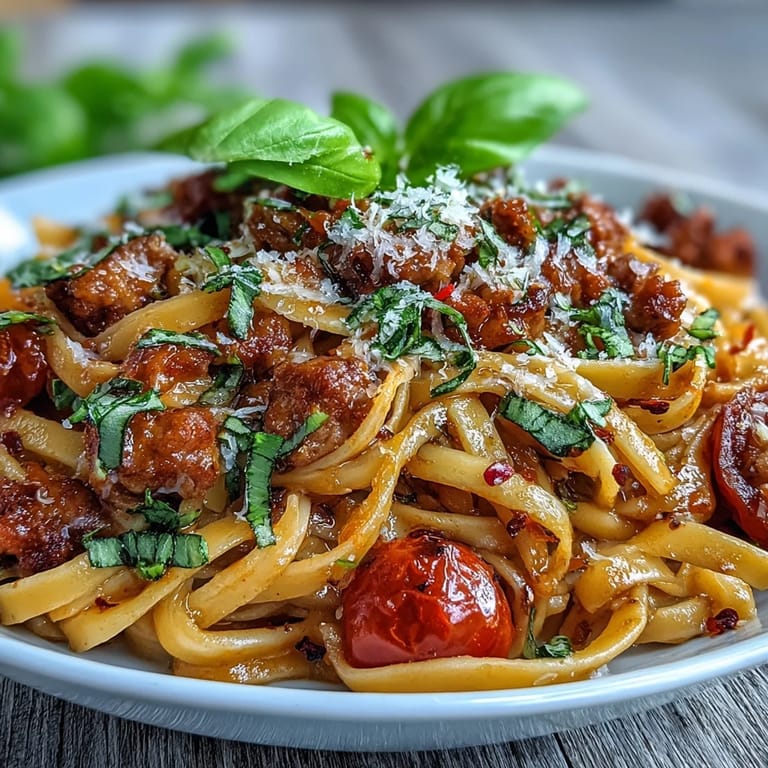
Save The first time I served this to my family, my dad, who usually sticks to plain spaghetti and marinara, asked if I had written the recipe down. He said the wine and soy sauce together tasted like something he would order at a restaurant, not something I threw together on a Wednesday. That moment made me realize how a few bold ingredients can transform a simple dinner into something people remember.
Making It Your Own
This dish is incredibly forgiving and loves to be adapted. If you want it vegetarian, skip the sausage and shrimp and use thick slices of sautéed mushrooms or cubes of marinated tofu instead. For a gluten-free version, swap in your favorite gluten-free pasta and double-check the Worcestershire sauce label. You can also add a handful of spinach or arugula in the last minute of cooking for extra greens. The base of wine, tomatoes, and garlic is so flavorful that almost any protein or vegetable you add will taste like it belongs.
Storing and Reheating
Leftovers keep well in a covered container in the refrigerator for up to 3 days. When you reheat, add a splash of water, wine, or even a bit of pasta water to loosen the sauce, because the noodles will have absorbed a lot of it overnight. Heat gently in a skillet over medium-low, stirring often, and finish with a little fresh Parmesan and basil if you have it. The flavors deepen overnight, so some people actually prefer it the next day.
Pairing and Serving Suggestions
This pasta is bold and rich, so it pairs beautifully with something light and crisp on the side. A simple green salad with lemon vinaigrette or a platter of roasted vegetables balances the richness perfectly. For wine, pour the same Chianti or Sangiovese you used in the sauce, it ties everything together. If you are feeding a crowd, set out extra Parmesan, red pepper flakes, and lemon wedges so everyone can adjust their bowl to their taste.
- Serve with crusty bread to soak up every bit of sauce left in the bowl.
- Add a sprinkle of lemon zest over the top for a bright, unexpected lift.
- If you love heat, thinly slice a fresh red chili and scatter it over each serving.
 Save
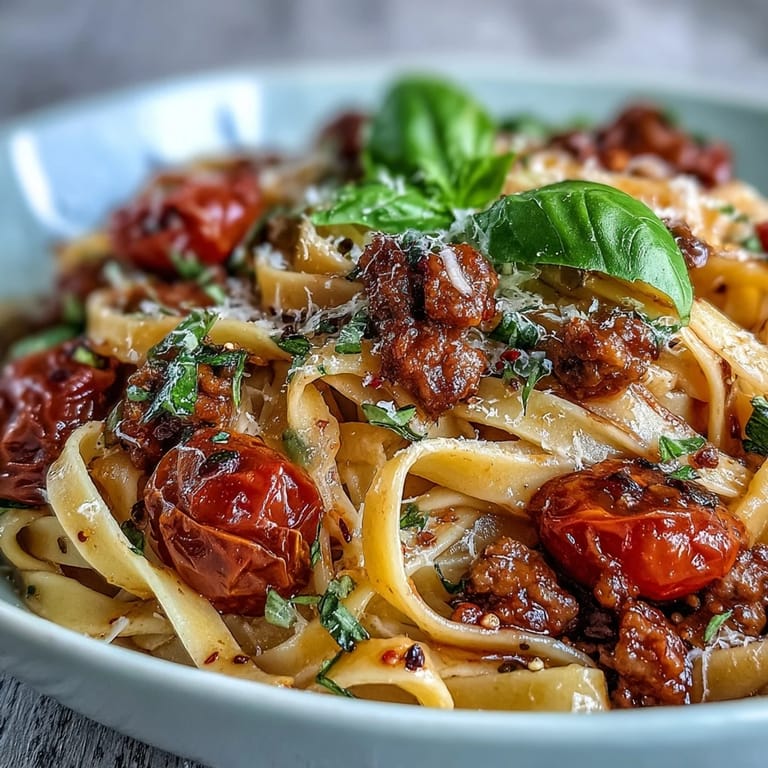
Save This is the kind of dinner that makes your kitchen smell like a celebration and your table feel a little more alive. I hope you pour yourself a glass, turn on some music, and let the noodles do their thing.
Recipe FAQs
- → What makes Italian drunken noodles different from traditional pasta dishes?
This fusion dish incorporates Asian-inspired elements like soy sauce and a wine-reduction technique typically found in Thai drunken noodles. The Chianti wine creates a concentrated, flavorful sauce that clings beautifully to the pasta while umami-rich seasonings add depth beyond classic Italian preparations.
- → Can I make this dish vegetarian?
Absolutely. Simply omit the sausage or shrimp and substitute with sautéed mushrooms, marinated tofu, or even roasted eggplant. The wine-kissed tomato sauce provides plenty of richness on its own, and these plant-based proteins absorb the bold flavors beautifully while adding satisfying texture.
- → What type of pasta works best for this dish?
Spaghetti or linguine are ideal choices as their long strands capture the sauce perfectly. Regular durum wheat pasta offers the best texture, but gluten-free alternatives work well too. Whole wheat varieties can be used for added nutrition, though they may slightly alter the sauce's clinging ability.
- → Is the red wine necessary for this recipe?
The Chianti or Sangiovese wine is essential for creating the characteristic depth and acidity that defines this dish. It deglazes the pan, concentrates the flavors, and provides a complex backdrop that balances the spicy sausage and sweet tomatoes. For a non-alcoholic version, use grape juice with a splash of balsamic vinegar.
- → How spicy are Italian drunken noodles?
The heat level is easily adjustable. The base recipe includes red pepper flakes for gentle warmth, while the sausage choice (sweet or hot) determines the overall spice. You can reduce the flakes for a milder version or add fresh chilies to turn up the heat. The wine and tomatoes help balance the spice beautifully.
- → Can I prepare Italian drunken noodles ahead of time?
The sauce can be made up to two days in advance and stored in the refrigerator. Cook the pasta fresh when ready to serve, as reheated pasta tends to lose its ideal texture. If making ahead, reserve extra pasta water to loosen the sauce when reheating and finish with fresh herbs just before serving.