 Save
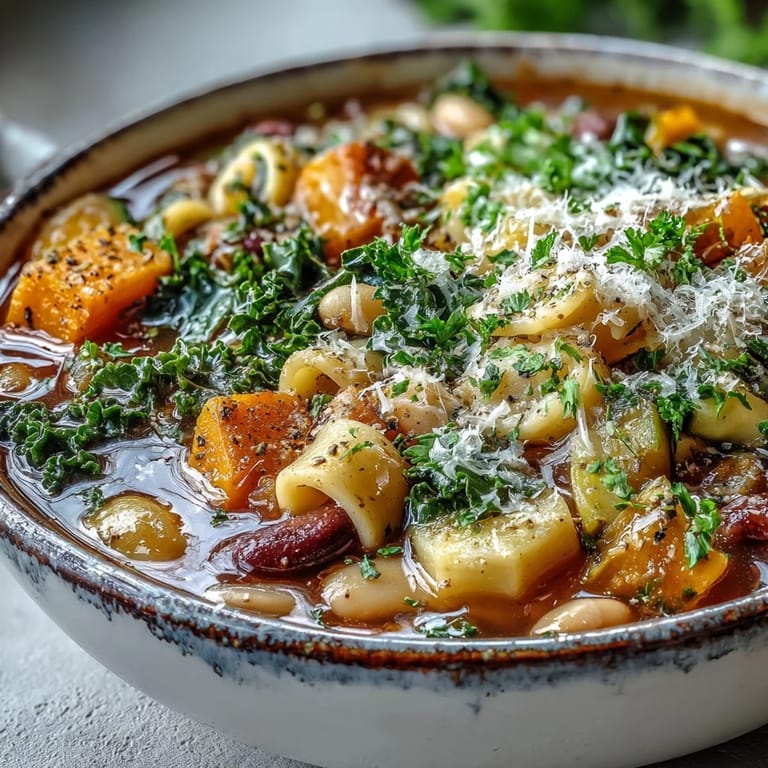
Save When the first frost hit the windows last year, I found myself craving something that felt like a warm blanket for my stomach. I stood in my kitchen with a single butternut squash and a handful of herbs, wondering if I could recreate the magic of the soups I used to see in small Italian cafes. There is something meditative about the rhythmic sound of a knife hitting the cutting board while the wind rattles the glass outside. This soup became my winter survival kit after that first chilly afternoon experiment. It fills every corner of the house with an earthy aroma that makes even the darkest January day feel bright and cozy.
I once accidentally added way too much rosemary because the lid fell off the spice jar right into the pot. My kitchen smelled like a fresh pine forest for three days, but the soup was surprisingly bold and delicious. Since then, I have learned to embrace the little variations that happen when you are cooking while distracted by a good podcast. Now, this recipe reminds me of those slow Sunday mornings where the only real goal is a hot meal. It is a forgiving dish that welcomes mistakes and rewards patience.
Ingredients
- Olive oil: A good quality oil sets the stage for a rich and savory base.
- Yellow onion: These provide a foundational sweetness that balances the earthy dried herbs.
- Carrots: Slicing them into thin rounds adds a pleasant texture and a bright pop of color.
- Celery: This gives that essential savory depth that every traditional minestrone needs.
- Garlic: Three cloves might seem like a lot but it mellows beautifully in the hot broth.
- Butternut squash: This adds a creamy heartiness that makes the soup feel like a full meal.
- Zucchini: It absorbs all the herbal flavors while adding a soft bite to every spoonful.
- Diced tomatoes: The natural acidity cuts through the starch of the beans and pasta.
- Kale: These leaves provide a vibrant green finish and a boost of iron for winter health.
- Cannellini beans: They bring a wonderful silkiness and plenty of protein to the bowl.
- Small pasta: Ditalini is my favorite because it fits perfectly on a standard soup spoon.
- Vegetable broth: Using a low sodium version lets you control the final seasoning perfectly.
- Bay leaf: Never skip this because it adds a subtle background note you would surely miss.
- Dried herbs: Thyme and rosemary are the ultimate winter flavor duo for deep comfort.
- Salt and pepper: Seasoning in layers ensures the squash is never bland or boring.
Tired of Takeout? 🥡
Get 10 meals you can make faster than delivery arrives. Seriously.
One email. No spam. Unsubscribe anytime.
Instructions
- The Aromatic Start:
- Sauté your onion, carrots, and celery in the oil until they look glossy and soft. This step builds the flavor foundation for the entire pot.
- Garlic Infusion:
- Drop in the minced garlic and stir quickly to avoid burning those tiny bits. You only need about a minute until the scent fills your kitchen.
- Hearty Base:
- Add the squash and zucchini, letting them cook just enough to catch some of that herb infused oil. This helps the vegetables hold their shape later.
- Broth Building:
- Pour in the tomatoes, broth, and all your dried herbs before bringing the mixture to a boil. The colors will start to look like a vibrant autumn landscape.
- Gentle Simmer:
- Turn down the heat and cover the pot to let the squash soften in the fragrant steam. This takes about fifteen minutes of quiet bubbling.
- Final Additions:
- Stir in the beans, pasta, and kale, watching the green leaves wilt into the dark broth. The pasta will cook right in the soup, soaking up all that goodness.
- Finishing Touches:
- Pull out the bay leaf and taste a spoonful to see if you need more salt. Ladle the hot soup into bowls and top with plenty of fresh parsley.
 Save
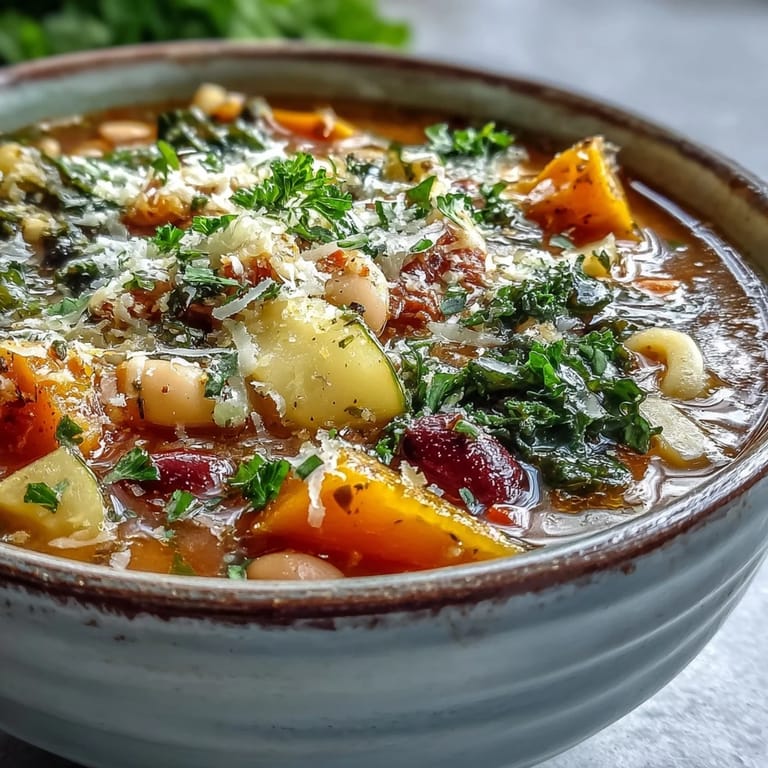
Save I remember serving this to my sister when she had a terrible cold and could barely speak. She sat at the wooden table wrapped in a thick wool blanket, and by the second bowl, she finally started to look like herself again. Food has a way of fixing the spirit when the weather or a cough tries to bring you down. That night, we sat in silence just enjoying the steam rising from our bowls.
The Magic of Squash
The natural sweetness of the squash acts as the perfect counterpoint to the salty vegetable broth. I once spent an entire afternoon trying to peel a giant squash with a dull knife, which taught me to always check my tools first. If you have the time, roasting the cubes for ten minutes before adding them can add an extra layer of caramelized flavor. It makes the kitchen feel like a professional bistro in the middle of a city.
Bean Varieties
Cannellini beans are my go to because they have a thin skin and a very creamy interior. I have tried using red kidney beans before, but they tended to overpower the delicate flavor of the zucchini. If you want a thicker soup, you can mash a few of the beans against the side of the pot with your wooden spoon. This creates a natural starchiness without needing any flour or heavy cream.
Customizing Your Bowl
Giving people options at the table makes a simple soup feel like a festive event. I usually set out small bowls of toppings so everyone can build their own perfect version. It is a great way to use up leftover herbs or that last nub of cheese in the fridge.
- Keep extra broth on hand if you plan on reheating leftovers because the pasta will continue to absorb liquid.
- A parmesan rind dropped into the simmering pot adds incredible savory depth that you can not get from salt alone.
- Swap the pasta for quinoa if you want a slightly nuttier flavor profile and a different texture.
 Save
Save This soup is a warm hug in a bowl that makes any cold evening feel manageable and bright. Enjoy every spoonful with a thick slice of toasted bread for the perfect winter meal.
Recipe FAQs
- → Can I make this soup ahead of time?
Absolutely! This soup actually tastes better the next day as the flavors have time to develop. Store it in the refrigerator for up to 4 days or freeze for up to 3 months. If freezing, consider cooking the pasta separately and adding it when reheating to prevent it from becoming mushy.
- → What pasta works best in minestrone?
Small pasta shapes like ditalini, elbow macaroni, or small shells work beautifully because they fit easily on a spoon. You can also use orzo or broken spaghetti pieces. For gluten-free options, choose rice-based pasta or add more beans instead.
- → How do I prevent the kale from becoming too bitter?
Adding the kale during the last 10-12 minutes of cooking ensures it wilts gently without becoming bitter. Removing the tough stems and chopping the leaves into bite-sized pieces also helps. If you prefer a milder flavor, spinach makes an excellent substitute.
- → Can I use fresh herbs instead of dried?
Yes, fresh herbs work wonderfully. Use about three times the amount of fresh herbs compared to dried. Add delicate herbs like fresh parsley or basil at the very end to preserve their bright flavor, while sturdier herbs like fresh rosemary or thyme can go in earlier.
- → What's the secret to richer flavor?
Simmering a Parmesan cheese rind in the broth adds incredible depth and umami. Simply remove it before serving. Also, take your time sautéing the onions, carrots, and celery—this builds a flavorful foundation that makes the whole soup taste better.
- → How can I make this more filling?
Add more beans, increase the pasta portion, or stir in some cooked rice or quinoa. A slice of crusty bread for dipping also makes the meal more substantial. For extra protein, you could add some cooked sausage or shredded chicken if not keeping it vegetarian.