 Save
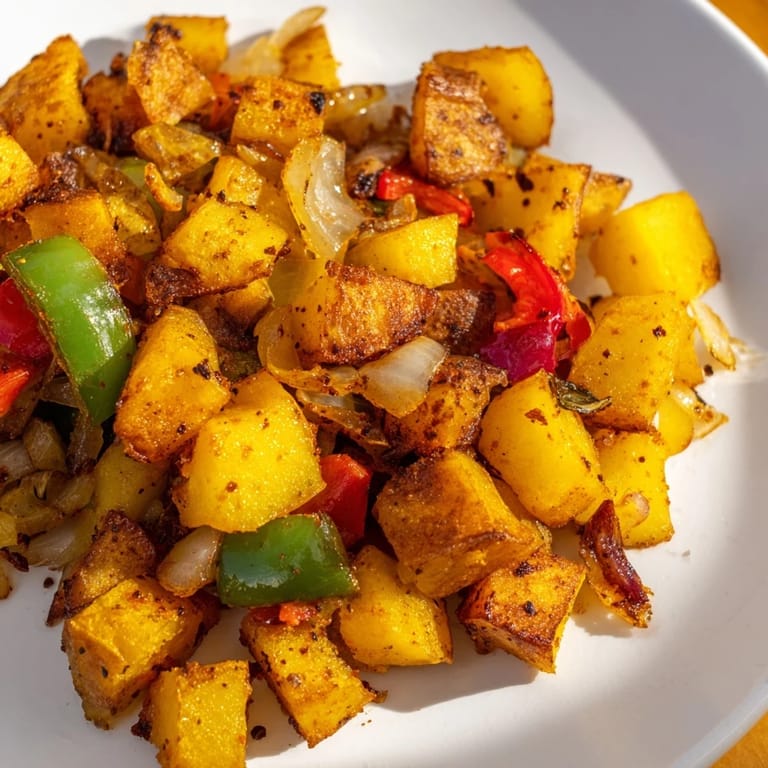
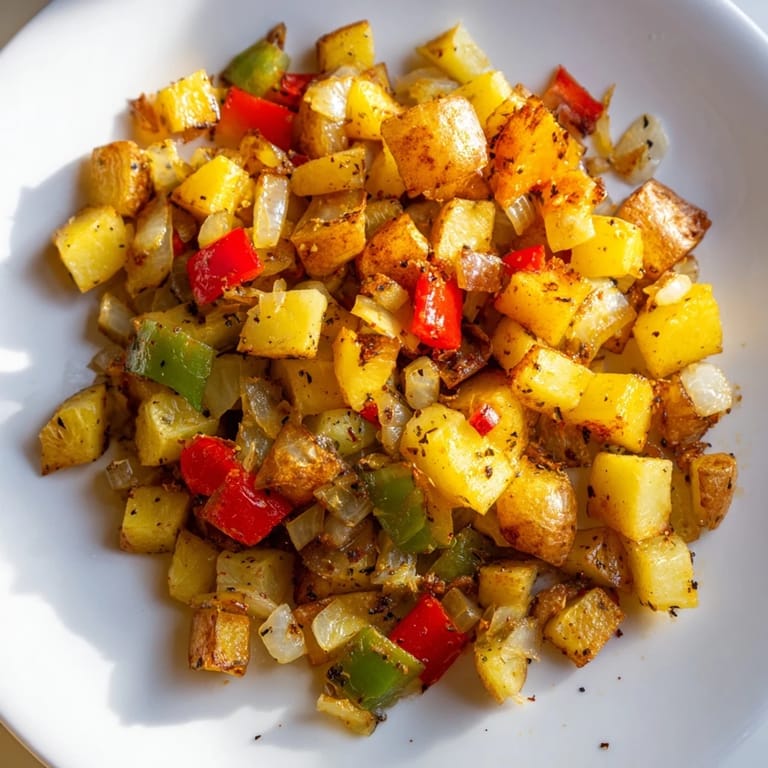
Save There's something about the smell of potatoes hitting hot oil that makes me feel like I'm at a real diner, not just my kitchen. My friend Marcus taught me the secret to truly crispy home fries when he was visiting—it's all about that parboil-then-sear method that transforms ordinary diced potatoes into something extraordinary. He watched me make them and showed me how to let them sit undisturbed in the pan, which I'd been stirring constantly before. Now every time I make them, I think of his knowing smile when he tasted that golden crust.
I made these for my family last Sunday morning when we had unexpected guests who stayed overnight, and I remember my nephew asking for thirds—something he'd never done with store-bought frozen fries. My sister laughed and said it was the bell peppers that did it, but I think it was more about the color and texture, how everything glistened slightly with that caramelized onion sweetness. Watching people actually enjoy something I made instead of just eating it felt different.
Ingredients
- Russet potatoes: The starch content is exactly right for that fluffy inside and crispy outside you want—waxy potatoes won't give you that texture no matter how long you cook them.
- Yellow onion: It caramelizes into something sweet and almost jammy, which is the secret weapon most people miss in diner home fries.
- Red and green bell peppers: The contrast in color matters more than you'd think, plus the sweetness from both varieties balances the salt and smoke perfectly.
- Garlic: Two cloves might seem small, but adding it at the end means it flavors the oil without burning, which took me a few tries to learn.
- Kosher salt and black pepper: The larger crystals of kosher salt let you taste the seasoning more distinctly than fine salt, and freshly ground pepper changes everything.
- Smoked paprika and cayenne: Optional but honestly they transform these from plain to memorable—the paprika especially adds that diner authenticity.
- Vegetable oil and butter: The oil gets you the heat and crispiness, while the butter adds flavor and a slight richness that elevates the whole thing.
Tired of Takeout? 🥡
Get 10 meals you can make faster than delivery arrives. Seriously.
One email. No spam. Unsubscribe anytime.
Instructions
- Parboil your potatoes:
- Cut your potatoes into roughly ½-inch cubes and drop them into cold water—starting cold helps them cook evenly. Once it boils, set a timer for 5-6 minutes and pull them out when they're barely fork-tender; they should still have some resistance. Drain them really well and pat them dry on a kitchen towel if you have a moment, which is the trick that gets you maximum crispiness.
- Get your pan hot:
- Use a large skillet, and if you have cast iron, this is your moment to use it because it holds heat like nothing else. Pour in the oil and add a tablespoon of butter, then let it sit over medium-high heat until you see it shimmer and smell that toasty butter aroma—that's your signal.
- Sear the potatoes undisturbed:
- Spread your parboiled potatoes in a single layer and resist the urge to touch them for 4-5 minutes. You'll hear them sizzle and eventually get that wonderful golden-brown crust that makes these worth making.
- Add vegetables and build flavor:
- Stir in your diced onions and peppers and keep cooking for 8-10 minutes, stirring occasionally so everything softens together and the potatoes brown on all sides. You want the onions to turn translucent and slightly golden, which is when the magic happens.
- Finish with garlic and spice:
- When the vegetables are soft and everything looks golden, add your minced garlic and all your seasonings, then stir constantly for about a minute so the garlic releases its flavor without burning. Taste it and adjust salt and pepper because potatoes can be hungry for seasoning.
 Save
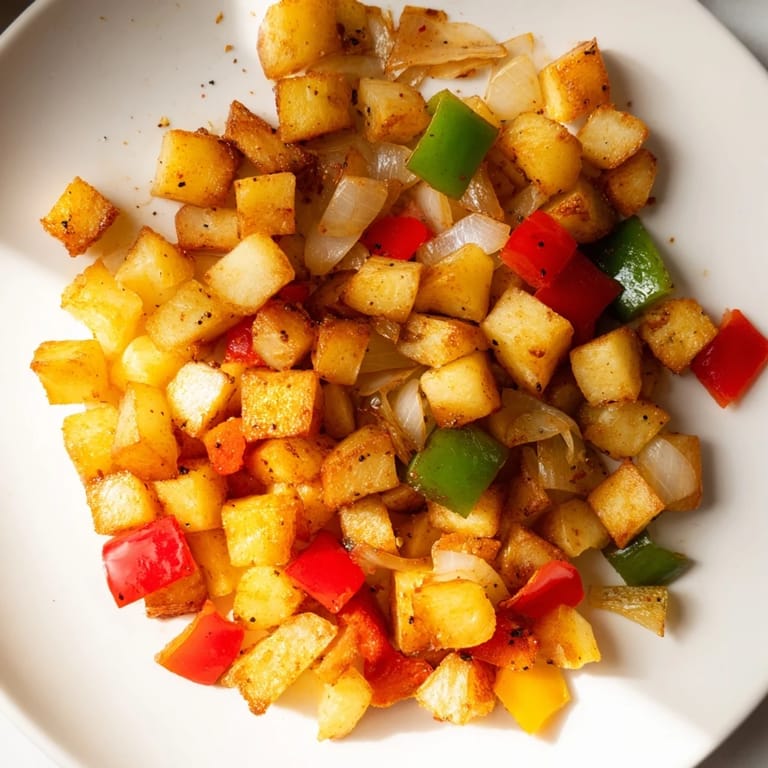
Save What started as just breakfast became a tradition with my roommate who'd come home on Saturday mornings specifically because she knew I'd made these. We'd sit at the kitchen counter with coffee, and she'd eat them straight from the skillet with a fork while they were still warm, talking about the week. It wasn't fancy, but it was something.
The Cast Iron Advantage
A cast iron skillet is genuinely different for this recipe because it maintains heat so consistently that you get an even, dark golden crust without any pale spots. If you don't have one, a heavy-bottomed stainless steel pan works, but it won't retain heat quite as well, so your timing might shift slightly. The non-stick just won't give you the brown you're after, so save it for other things.
Customizing Your Batch
The beauty of home fries is that they're forgiving once you get the basic technique down, so you can play with additions without ruining them. I've added diced jalapeños for heat, fresh rosemary for herbal brightness, and even diced ham when I had leftovers. My friend swears by adding a splash of worcestershire sauce in the final minute, which adds umami depth that catches people off guard in the best way.
Serving and Storage
Serve these hot and as fresh as possible because they're truly best right from the pan when the outside is still crispy and the inside is steaming. They don't keep well in the fridge—leftovers get rubbery and soft—so I usually make exactly the amount we'll eat. If you do have leftovers, reheating them in a hot skillet for a few minutes brings back some of the crispiness, though it's never quite the same as fresh.
- Pair them with scrambled eggs, bacon, or a runny-yolk fried egg for a complete breakfast plate.
- They work equally well for a breakfast burrito, alongside pancakes, or even as a lunch side with roasted chicken.
- Make them vegan by using only oil instead of butter, and they taste just as good.
 Save
Save Home fries are proof that the simplest recipes, made with focus and a little patience, become the meals people remember. Once you nail this one, you'll make it again and again.
Recipe FAQs
- → How do I achieve extra crispy potatoes?
Pat the parboiled potatoes dry before frying to remove excess moisture, which helps develop a golden crust.
- → Can I substitute vegetables in this dish?
Yes, sweet potatoes or diced jalapeños can be used to add different flavors and heat.
- → What’s the best pan for cooking these potatoes?
A large skillet or cast iron pan works best to maintain even heat and create a crispy texture.
- → Is it possible to make this dairy-free?
Use all vegetable oil instead of butter to keep it dairy-free without sacrificing flavor.
- → How long should I sauté the vegetables together?
Sauté the onions and bell peppers with the potatoes for about 8 to 10 minutes until softened and lightly browned.