 Save
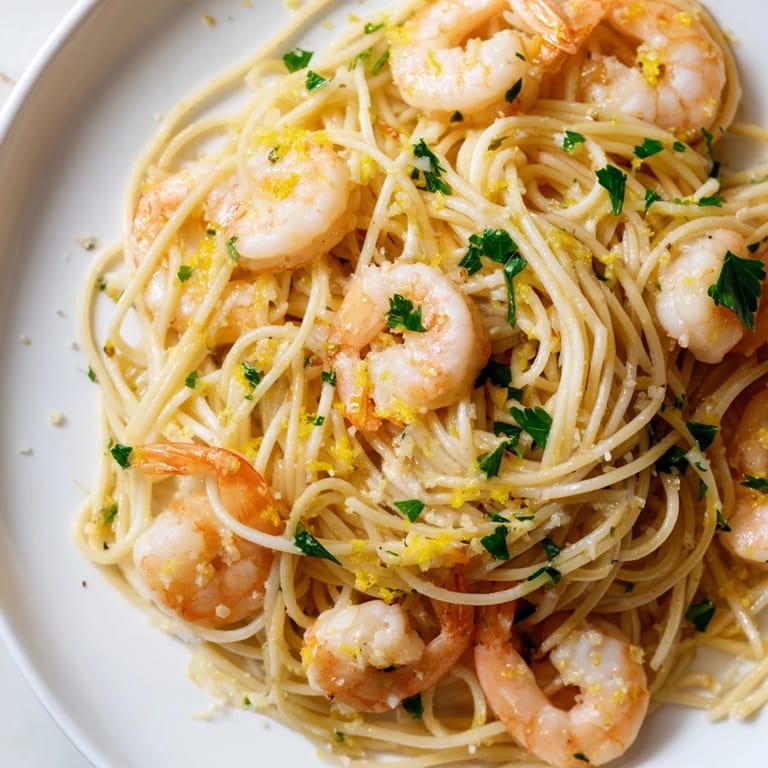
Save The smell of garlic hitting hot butter always pulls me straight into the moment. I learned to make this dish on a Tuesday night when the fridge was nearly empty and I had a bag of frozen shrimp I'd forgotten about. What started as improvisation turned into something I now crave at least twice a month. The lemon cuts through the richness in a way that feels both indulgent and light, and the whole thing comes together faster than ordering takeout.
I made this for my sister the first time she visited my new apartment, and she kept asking what the secret was. There wasn't one, just good timing and not overcooking the shrimp. We sat on the floor because I didn't have a table yet, twirling pasta and laughing about how grown up we pretended to be. She still texts me photos whenever she makes it herself now.
Ingredients
- Large shrimp, peeled and deveined: Look for shrimp that smell like the ocean, not fishy, and pat them completely dry so they get a nice sear instead of steaming in the pan.
- Spaghetti: Any long pasta works here, but spaghetti holds the sauce just right without feeling too heavy.
- Unsalted butter: Using unsalted lets you control the seasoning, and it creates a silky base that clings to every strand of pasta.
- Extra-virgin olive oil: This keeps the butter from burning and adds a fruity depth that balances the richness.
- Garlic cloves, minced: Fresh garlic is non-negotiable here, it blooms in the butter and becomes sweet and mellow, not sharp.
- Lemon zest and juice: The zest carries the aromatic oils that make the whole dish smell incredible, while the juice adds the punchy acidity.
- Dry white wine: It deglazes the pan and adds complexity, but if you skip it, a little extra lemon juice and pasta water work just fine.
- Crushed red pepper flakes: Just enough to add a gentle warmth in the background without making it spicy.
- Salt and black pepper: Season the pasta water generously, it's your only chance to flavor the noodles from the inside out.
- Fresh parsley: This isn't just for looks, it adds a grassy freshness that keeps the dish from feeling too rich.
- Parmesan cheese: Optional but highly recommended, it adds a nutty saltiness that ties everything together.
- Lemon wedges: A final squeeze at the table lets everyone adjust the brightness to their liking.
Tired of Takeout? 🥡
Get 10 meals you can make faster than delivery arrives. Seriously.
One email. No spam. Unsubscribe anytime.
Instructions
- Boil the pasta:
- Bring a large pot of salted water to a rolling boil and cook the spaghetti until it still has a slight bite in the center. Before draining, scoop out half a cup of that starchy pasta water, it's liquid gold for making the sauce cling.
- Prep the shrimp:
- While the pasta bubbles away, pat the shrimp completely dry with paper towels and season them lightly with salt and pepper. Dry shrimp sear beautifully instead of releasing water into the pan.
- Sear the shrimp:
- Heat a tablespoon each of olive oil and butter in a large skillet over medium-high heat until shimmering. Add the shrimp in a single layer and let them cook undisturbed for a minute or two per side until they turn pink and just opaque, then transfer them to a plate.
- Build the garlic base:
- Lower the heat to medium and add the remaining oil and butter to the same skillet. Toss in the minced garlic and stir constantly for about a minute until it smells amazing but hasn't turned brown.
- Create the sauce:
- Add the lemon zest, lemon juice, white wine if using, and red pepper flakes to the skillet. Let it simmer gently for two or three minutes until it reduces slightly and the alcohol cooks off.
- Reunite the shrimp:
- Return the seared shrimp along with any juices from the plate back into the skillet. Toss them around to coat in that lemony garlic butter.
- Toss the pasta:
- Add the drained spaghetti directly into the skillet and toss everything together with tongs. Splash in some of that reserved pasta water a little at a time until the sauce becomes silky and coats every strand.
- Season and finish:
- Taste and adjust with more salt and black pepper as needed. Remove from the heat, shower with chopped parsley and Parmesan if you like, and serve right away with lemon wedges on the side.
 Save
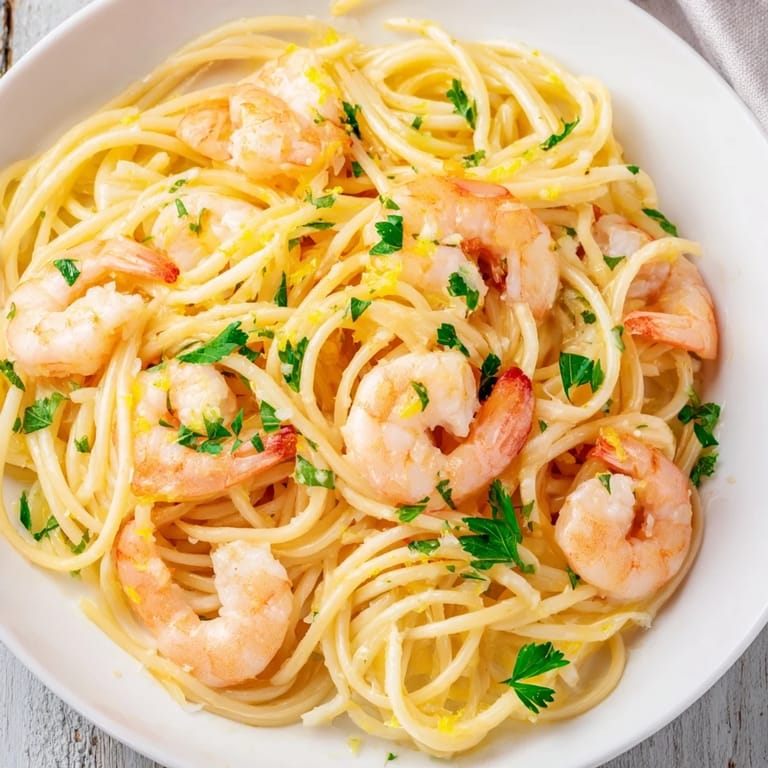
Save One night I made this after a long day and realized halfway through that I'd forgotten to buy parsley. I threw in some torn basil instead and it was just as good, maybe better. That's when I stopped worrying so much about following every rule and started trusting my instincts. Food tastes better when you're relaxed about it.
How to Pick the Best Shrimp
I used to buy whatever shrimp was on sale until I learned that quality really does matter here. Look for shrimp that are firm, translucent, and smell clean like the sea. Frozen shrimp are often fresher than so-called fresh ones since they're frozen right on the boat. Thaw them in the fridge overnight or under cold running water, never in warm water or the microwave.
Wine Pairing and Substitutions
A crisp Sauvignon Blanc or Pinot Grigio echoes the citrus notes and cuts through the butter beautifully. If you don't cook with wine, swap it for a few tablespoons of chicken or vegetable broth mixed with a squeeze of extra lemon juice. I've done this plenty of times when I didn't have an open bottle, and it still tastes bright and layered.
Make It Your Own
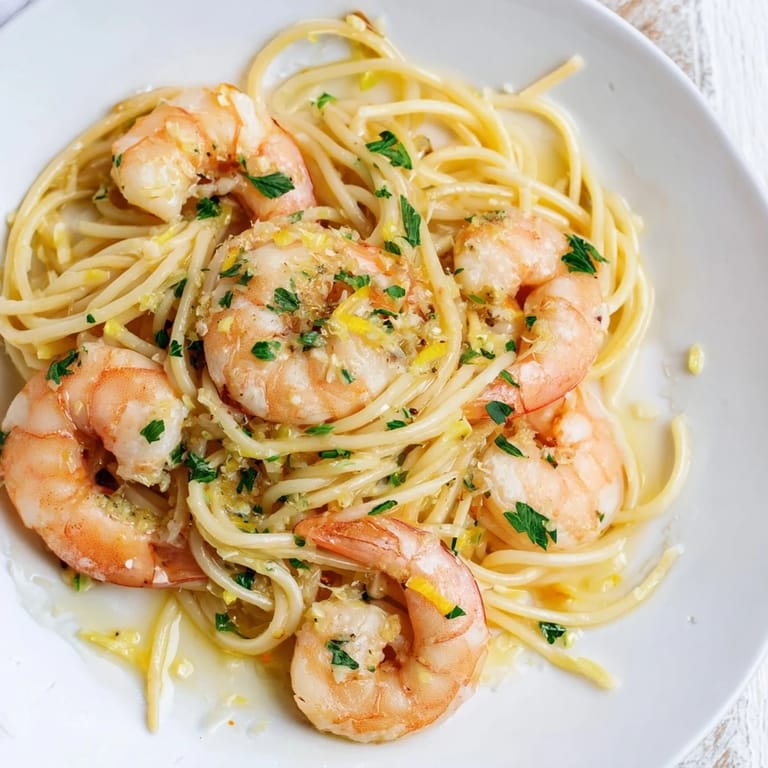
This recipe is a great base for whatever you have lying around. I've tossed in handfuls of baby spinach, halved cherry tomatoes, or even some capers for a briny kick. If you want it heartier, stir in a few spoonfuls of cream at the end. The beauty of this dish is that it's flexible enough to handle your mood and your fridge.
- Add vegetables like asparagus or zucchini for extra color and crunch.
- Swap spaghetti for linguine, fettuccine, or even gluten-free pasta without changing a thing.
- For a dairy-free version, replace the butter with more olive oil and skip the Parmesan.
 Save
Save This dish reminds me that dinner doesn't have to be complicated to feel special. Every time I make it, I'm back in that tiny kitchen, sitting on the floor with my sister, realizing that good food is really just about paying attention and enjoying the process.
Recipe FAQs
- → How do I prevent the shrimp from becoming rubbery?
Cook shrimp for only 1–2 minutes per side until just pink and opaque. Overcooked shrimp becomes tough and chewy. Remove shrimp from heat as soon as it changes color, then return it to the pan briefly at the end to warm through with the sauce.
- → Can I use frozen shrimp?
Yes, frozen shrimp works well. Thaw completely and pat dry before cooking. Dry shrimp sear better and develop a nice golden exterior. Avoid shrimp packed in ice or excess moisture, as this prevents proper browning.
- → What's the purpose of reserving pasta water?
Pasta water contains starch that helps emulsify the sauce and creates a silky, cohesive coating on the noodles. It transforms a thin sauce into something luxurious and helps the flavors cling to the pasta without adding cream.
- → Can I substitute the white wine?
Absolutely. Use chicken or vegetable broth for the same depth. You can also omit wine entirely and increase the lemon juice slightly or add a splash of white vinegar for acidity. The sauce will still be delicious and brighter.
- → How can I make this dairy-free?
Replace butter with extra-virgin olive oil using the same quantity. Omit Parmesan cheese or use a dairy-free alternative. The dish remains flavorful and silky thanks to the olive oil and pasta water emulsion.
- → What wine pairs best with this dish?
Crisp, acidic white wines complement the bright lemon flavors beautifully. Sauvignon Blanc and Pinot Grigio are ideal choices. The wine's acidity mirrors the lemon in the sauce and pairs perfectly with the tender shrimp.