 Save
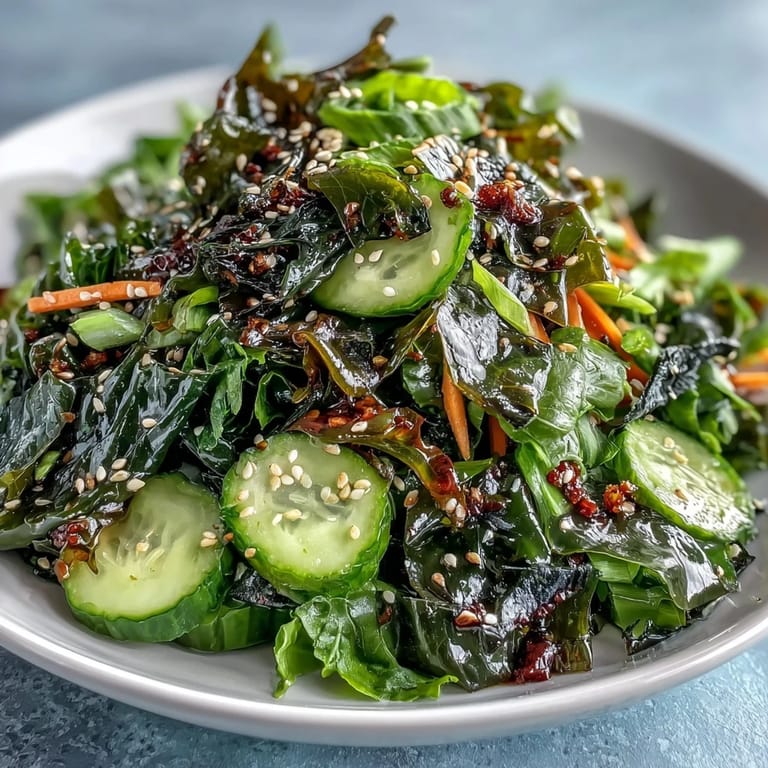
Save There's something about the moment you bite into a salad and hear that unmistakable crunch of nori that just makes you sit up straighter. I discovered this combination by accident one Tuesday afternoon when I was rummaging through my pantry, finding a half-eaten package of seaweed snacks next to some roasted nori sheets I'd bought for sushi. Instead of turning them into rolls, I tossed them into a bowl of greens with some ginger dressing, and suddenly I had a salad that felt like it was doing something interesting. The crispy, salty layers made me realize I'd been making salads the same way for years without exploring what texture could really do.
I made this for my sister during a surprise visit last spring, and she kept asking why store-bought salad dressing always tasted flat by comparison. Watching her pause mid-bite to identify the ginger and sesame notes was the moment I realized this wasn't just another side dish—it was the kind of thing people notice and remember.
Ingredients
- Mixed salad greens (4 cups): Use whatever combination speaks to you, though baby spinach and arugula bring enough personality to hold up against the bold dressing without wilting.
- Crispy seaweed snacks (1 cup): These come pre-seasoned and ready to go; cutting them into strips prevents them from disappearing under the other ingredients.
- Roasted nori sheets (2 sheets): Tearing them by hand gives you irregular pieces that catch the dressing better than neat cuts would.
- Cucumber (1 small): A mandoline slicer keeps these thin and elegant, though a sharp knife works just fine if you have patience.
- Carrot (1 small): Julienning creates those delicate strands that add visual interest and release their natural sweetness into the dressing.
- Scallions (2): The white and light green parts add a sharp bite; save some dark green tops for garnish if you want extra color.
- Soy sauce (3 tbsp): This is your umami anchor; if you go tamari for gluten-free, you won't lose a thing in flavor translation.
- Rice vinegar (2 tbsp): The mild acidity balances the saltiness without overpowering the delicate greens.
- Toasted sesame oil (1 tbsp): This oil is concentrated flavor in liquid form, so resist the urge to add more; a little goes an impossibly long way.
- Fresh ginger (1 tbsp): Grating it directly into the dressing releases oils that whole pieces never could, giving you warmth in every bite.
- Maple syrup or honey (1 tsp): Just enough to smooth the edges and bring out the vegetables' natural sweetness.
- Garlic clove (1): Finely grated garlic disperses evenly through the dressing instead of creating sharp chunks.
- Toasted sesame seeds (2 tbsp): The white seeds add nuttiness, while black sesame seeds (if using) bring visual drama and a slightly different mineral taste.
Tired of Takeout? 🥡
Get 10 meals you can make faster than delivery arrives. Seriously.
One email. No spam. Unsubscribe anytime.
Instructions
- Whisk your way to umami:
- Combine the soy sauce, rice vinegar, sesame oil, grated ginger, maple syrup, and garlic in a small bowl and whisk until the syrup dissolves and the garlic is evenly distributed. You should smell the ginger immediately—that's when you know you've grated enough.
- Build your salad foundation:
- Pile the mixed greens into your largest bowl, then add the cucumber slices, julienned carrot, and scallions. Don't toss yet; you want everything distinct and visible before the dressing arrives.
- Dress gently and taste:
- Pour the dressing over everything and use a light hand to toss, making sure each leaf gets coated without crushing the delicate greens. This is where patience pays off—rough tossing turns salad into mush.
- Bring in the seaweed:
- Add the crispy seaweed strips and nori pieces last, tossing them in with minimal disruption so they stay as crispy as possible. If you add them too early, the dressing will soften them into chewy submission.
- Finish and serve immediately:
- Sprinkle both the white and black sesame seeds over the top and serve right away. Any delay and you'll lose that essential crunch that makes this salad sing.
 Save
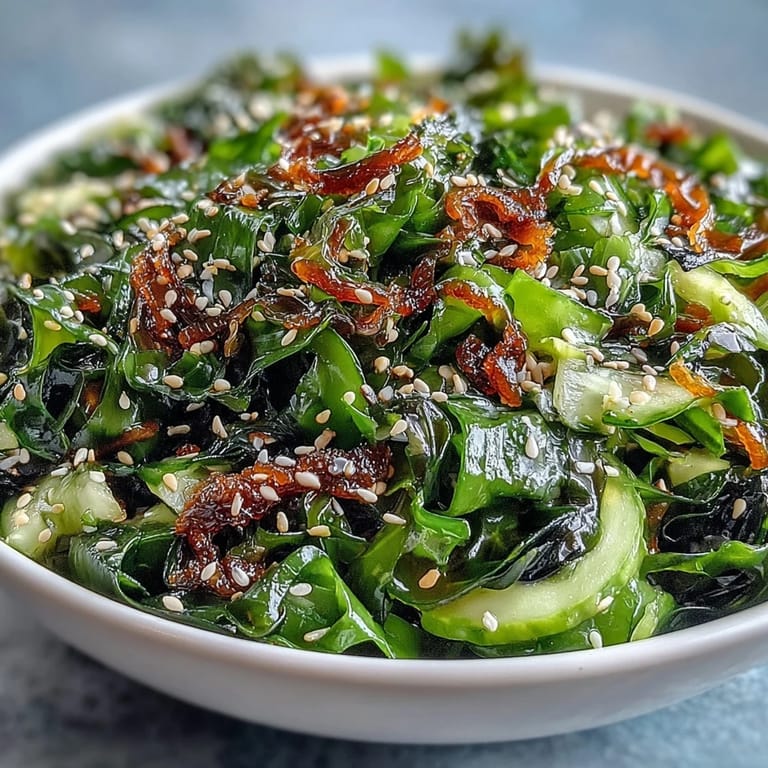
Save There's a small moment of quiet contentment that happens when you sit down with this salad and realize you've created something that's both refreshing and deeply satisfying. It's the kind of lunch that makes you feel good about what you chose to eat, without feeling like you've sacrificed anything.
Why Seaweed Changes Everything
Seaweed and nori aren't just for sushi—they bring umami depth that most salads never touch. When I started thinking about seaweed as a salad ingredient instead of a wrapper, I realized I'd been missing out on an entire dimension of flavor. The salty, slightly mineral notes create contrast with the fresh greens and ginger dressing in a way that makes your palate feel genuinely engaged rather than passively consuming lettuce.
The Dressing Is Everything
I've learned that a great salad dressing is what transforms a pile of vegetables into something worth coming back to. This ginger-soy combination works because the warmth of the ginger plays beautifully against the umami of soy and the nutty sesame oil, creating a profile that feels sophisticated without requiring any cooking. The fresh garlic adds bite, the maple syrup smooths everything together, and the rice vinegar keeps it all bright.
Making It Your Own
The bones of this salad are solid, but the beauty is in how easily you can make it reflect your own tastes and what's in your kitchen. I've added avocado for creaminess when I wanted something more substantial, and I've experimented with different sesame seed ratios depending on my mood. The dressing works with almost any crunchy vegetable you can think of, so don't feel locked into cucumber and carrot.
- Toss in some edamame or crispy tofu if you want to make this a more filling main course instead of a side.
- Keep the dressing in a jar in your fridge and use it on roasted vegetables, grain bowls, or even as a marinade for fish.
- Try toasting your own sesame seeds in a dry pan for about two minutes if you want that fresh, nutty aroma to be even more pronounced.
 Save
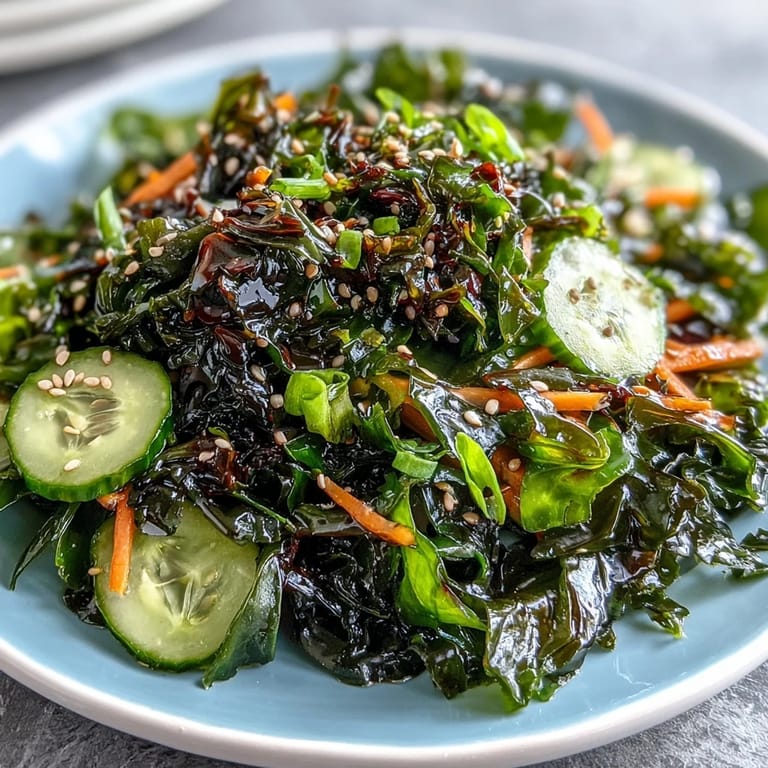
Save This is the kind of salad that proves you don't need complicated techniques or obscure ingredients to create something memorable. Every element has a reason for being there, and together they make something that feels both modern and comfortingly familiar.
Recipe FAQs
- → Can I substitute the soy sauce for a gluten-free alternative?
Yes, tamari works perfectly as a gluten-free alternative without compromising flavor.
- → How should I prepare the seaweed to keep it crunchy?
Use crispy seaweed snacks cut into strips and add them just before serving to maintain their crunch.
- → What dressing ingredients balance the flavors?
The ginger, soy sauce, rice vinegar, toasted sesame oil, and a touch of maple syrup create a balanced tangy and slightly sweet dressing.
- → Can I add protein to this salad?
Yes, sliced avocado or edamame can be added for extra protein and creaminess.
- → What are good beverage pairings for this salad?
A chilled sake or light white wine complements the salad’s fresh and savory notes.