 Save
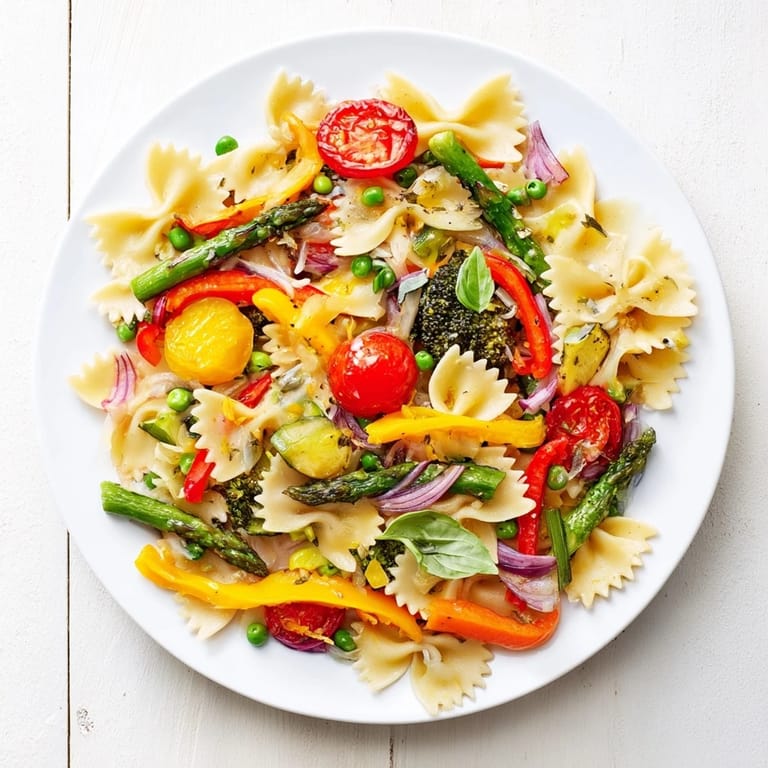
Save Last spring, my neighbor Sarah dropped by with a basket of vegetables from her garden and challenged me to use them all before they wilted. I threw together this colorful pasta on a Tuesday night, half-expecting it to be just another average dinner. But when I took that first bite, something magical happened the sweetness of the roasted tomatoes mingled with the bright lemon and the crunch of barely-cooked asparagus. Now it's become my go-to for whenever life feels a little gray and I need something vibrant on my plate.
I made this for my sister's birthday dinner last month when she requested something light but celebratory. She's not usually enthusiastic about vegetables but went back for seconds and asked for the recipe before she even left the table. There's something about the rainbow of colors that makes people feel cared for, like you put extra thought into the meal even though it comes together in under an hour.
Ingredients
- 340 g bow-tie pasta: Farfalle catches all the sauce in its little folds and holds onto the vegetables beautifully
- 1 cup cherry tomatoes: They burst slightly and create their own sweet juice that becomes part of the sauce
- 1 cup asparagus: Cut into 1-inch pieces so they cook through but keep their bright green color
- 1 cup red bell pepper: Thinly sliced for maximum surface area and quick cooking
- 1 cup yellow squash: Half-moon slices look beautiful and cook evenly alongside the other vegetables
- 1 cup broccoli florets: Small florets work best here so they're done at the same time as everything else
- 1 cup julienned carrots: Add these first since they take slightly longer to soften than the other vegetables
- 1/2 cup red onion: Thin slices provide a mild bite that balances the sweetness of the tomatoes
- 1/2 cup frozen peas: Thrown in at the very end for little bursts of sweetness
- 3 tbsp extra-virgin olive oil: Use the good stuff here since it's the backbone of the simple sauce
- 3 cloves garlic: Mince it yourself for the best flavor and aroma
- 1/2 tsp crushed red pepper flakes: Just enough for a gentle warmth that makes everything else pop
- 1/2 tsp sea salt: Start with this and adjust at the end since Parmesan adds saltiness too
- 1/4 tsp black pepper: Freshly ground makes a noticeable difference
- Zest of 1 lemon: This bright element is what makes the dish taste alive and fresh
- 2 tbsp fresh lemon juice: Adds acidity that cuts through the olive oil and ties everything together
- 1/4 cup grated Parmesan: Optional but recommended for that salty umami finish
- 2 tbsp fresh basil and parsley: Don't skip these herbs they're the final touch that makes it special
Tired of Takeout? 🥡
Get 10 meals you can make faster than delivery arrives. Seriously.
One email. No spam. Unsubscribe anytime.
Instructions
- Get the pasta going:
- Bring a large pot of salted water to a boil and cook the bow-tie pasta until al dente, saving 1/2 cup of the starchy cooking water before draining
- Start the aromatics:
- Heat 2 tablespoons of olive oil in a large skillet over medium heat, then add the minced garlic and red pepper flakes, cooking for just 1 minute until fragrant but not brown
- Add the harder vegetables:
- Toss in the carrots, broccoli, and asparagus first, sautéing for 3 to 4 minutes until they start to soften slightly
- Continue with the rest:
- Add the red onion, bell pepper, yellow squash, and a pinch of salt, cooking for another 3 to 4 minutes until everything is tender but still colorful
- Finish the vegetables:
- Stir in the cherry tomatoes and frozen peas, cooking for just 2 minutes until heated through but still holding their shape
- Bring it all together:
- Add the drained pasta to the skillet with the remaining olive oil, lemon zest, and lemon juice, tossing everything together and adding splashes of pasta water until you have a silky coating
- Season and serve:
- Taste and adjust the salt and pepper, then remove from heat and toss with Parmesan, basil, and parsley before serving immediately
 Save
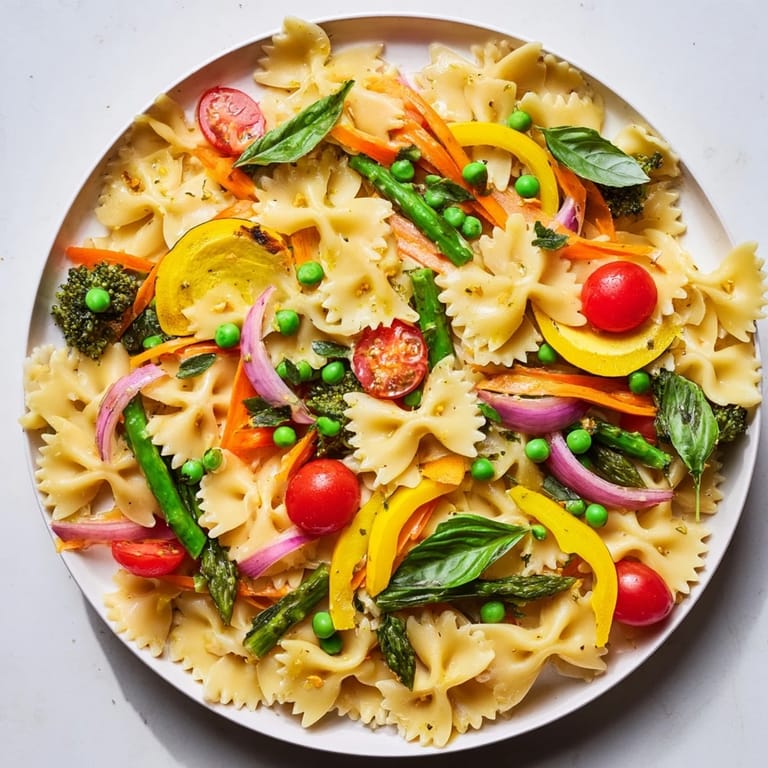
Save This pasta has become my secret weapon for potlucks and dinner parties because it looks impressive served in a big shallow bowl with all those colors peeking through. My friend Maria actually teared up when I brought it over after she had her baby, saying it was the first thing in weeks that actually made her excited to eat.
Timing Your Vegetables
I've learned the hard way that not all vegetables cook at the same speed. The trick is adding them in stages, starting with the carrots and broccoli, then moving to the softer vegetables like peppers and squash. The cherry tomatoes and peas only need a quick hello at the end, otherwise they turn to mush and lose that beautiful pop of color.
Making It Your Own
The beauty of this recipe is its flexibility. Sometimes I swap in zucchini for the yellow squash or add snap peas when I find them at the farmers market. I've even made it in winter with frozen vegetables when fresh ones aren't available, and it still hits that comforting spot. The lemon and olive oil sauce works with almost any vegetable combination you throw at it.
Perfecting The Sauce
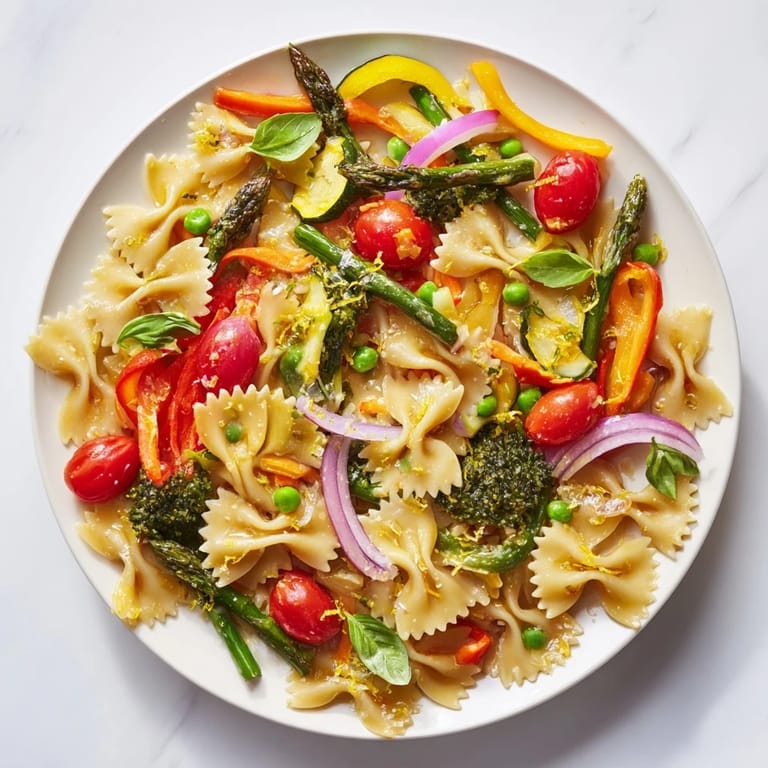
The pasta water you save is absolutely crucial here, it contains starch that helps emulsify the olive oil and lemon juice into a creamy sauce without any cream. Add it a little at a time while tossing, watching how the liquid transforms from separate oil and juice into something glossy and coating.
- Add the lemon zest right at the end to preserve its bright aromatic oils
- If the sauce seems too tight, add more pasta water rather than more olive oil
- Taste the pasta before adding final salt since Parmesan is quite salty on its own
 Save
Save This pasta is what happens when simple ingredients meet a little patience and attention. It's become the kind of recipe I make when I want to turn an ordinary Tuesday into something worth remembering.
Recipe FAQs
- → How do I keep the vegetables vibrant and crisp?
Cook vegetables in stages based on their density. Start with firmer vegetables like carrots and broccoli, then add softer ones like bell peppers and squash. The key is tossing everything together at the end with the cooked pasta, which prevents overcooking while warming everything through.
- → Can I prepare this dish in advance?
Yes, you can prep all vegetables ahead of time and store them in the refrigerator. Cook the pasta and vegetables fresh when ready to serve for the best texture and flavor. The pasta water helps create a silky sauce that's best made just before serving.
- → What pasta alternatives work well for this dish?
Besides bow-tie pasta, try penne, rotini, or fettuccine. For gluten-free diets, use certified gluten-free pasta with the same cooking time. Each shape catches the light garlic sauce differently, so choose based on your preference.
- → How can I add protein to this dish?
Grilled chicken breast, shrimp, or white fish pair beautifully with the light lemon sauce. For vegetarian protein, add white beans, chickpeas, or crumbled tofu. Add protein during the last minute of cooking or serve alongside the pasta.
- → Why is pasta water important in this dish?
Pasta water contains starch that emulsifies with the olive oil, creating a naturally silky sauce that coats each strand of pasta. This eliminates the need for cream while delivering a luxurious texture and helping flavors meld together.
- → What vegetables can I substitute or add?
Zucchini, snap peas, green beans, mushrooms, and artichoke hearts all work wonderfully. Avoid watery vegetables like cucumber, and adjust cooking times based on vegetable density. The colorful mix is part of the appeal, so vary your selection seasonally.